
Talk the talk
C2A - Proficient
15 Lecciones
Las lecciones con candado son para estudiantes inscritos. Las marcadas «Gratis» las puedes abrir ahora mismo.

Lesson 1 — Formal narratives
(Formal narrative grammar and storytelling vocabulary)
- Grammar: Complex sentence structures; e.g., "Having finished the report, he submitted it promptly.
- Vocabulary: Consequently, henceforth, notwithstanding, furthermore, subsequently, thereby, pivotal
- Speaking: Practice telling a formal story about an important event in your life.
- Listening: Listen to a formal speech and note how the speaker connects ideas smoothly.
- Reading: Read a formal narrative and identify narrative structure and linking phrases.
- Goal: Use formal language and grammar confidently in stories and presentations.

Lesson 2 — Opinion and suggestion
(Expressing opinions and making suggestions)
- Grammar: Grammar: Using modal verbs for suggestions: "You should try it" / "I recommend going
- Vocabulary: Vocabulary: suggest, recommend, advise, opinion, consider, maybe, perhaps, I think, I believe
- Speaking: Speaking: Practice giving opinions about movies and suggesting new activities
- Listening: Listening: Listen to dialogues where people share opinions and suggest plans
- Reading: Reading: Read a short article about giving advice and opinions in social situations
- Goal: Goal: Speak clearly to express your ideas and suggest helpful actions to others

Lesson 3 — Diplomacy, alternatives
(Diplomatic expressions and polite alternatives.)
- Grammar: Use of conditionals and softening phrases: "If we tried this, it might work.
- Vocabulary: alternatives, suggest, perhaps, possibly, consider, maybe, instead, diplomatic, polite, softening
- Speaking: Practice presenting alternatives politely in a role-play conversation.
- Listening: Listen to a dialogue showing diplomatic ways to disagree and suggest other ideas.
- Reading: Read a text about successful negotiation using polite language and alternatives.
- Goal: Speak clearly and politely when offering different ideas or solutions.

Lesson 4 — Academic summaries
(Academic summaries: key phrases and structures for summarizing ideas)
- Grammar: Grammar: Using passive voice and reporting verbs (e.g., "The study was conducted" / "The author argues")
- Vocabulary: Vocabulary: summarize, main idea, findings, methodology, conclusion, report, analyze, evidence
- Speaking: Speaking: Practice summarizing an article aloud with a partner
- Listening: Listening: Listen to a lecture summary and identify key points
- Reading: Reading: Read an academic abstract and highlight main ideas
- Goal: Goal: Improve skills to write and speak academic summaries clearly and accurately

Lesson 5 — Formal research language
(Formal research language: advanced grammar and vocabulary)
- Grammar: Grammar = Passive voice in complex sentences, e.g. "The data were analyzed carefully.
- Vocabulary: Vocabulary = methodology, hypothesis, variables, data analysis, findings, abstract, results
- Speaking: Speaking = Present a research summary using formal language clearly.
- Listening: Listening = Listen to a lecture about a study and identify key formal terms.
- Reading: Reading = Read a research article and underline formal language and structures.
- Goal: Goal = Speak and write using formal research language confidently in English.

Lesson 6 — Reports and technical texts
(Advanced grammar in reports and technical writing)
- Grammar: Complex sentence structures with passive voice; e.g., The data was analyzed thoroughly.
- Vocabulary: Terminology, analysis, methodology, findings, conclusion, data, report, technical, summary, results
- Speaking: Discuss a technical report with a partner using new vocabulary.
- Listening: Listen to a detailed report and answer comprehension questions.
- Reading: Read a technical text and identify key information and argument structure.
- Goal: Use advanced language to understand and produce technical reports.
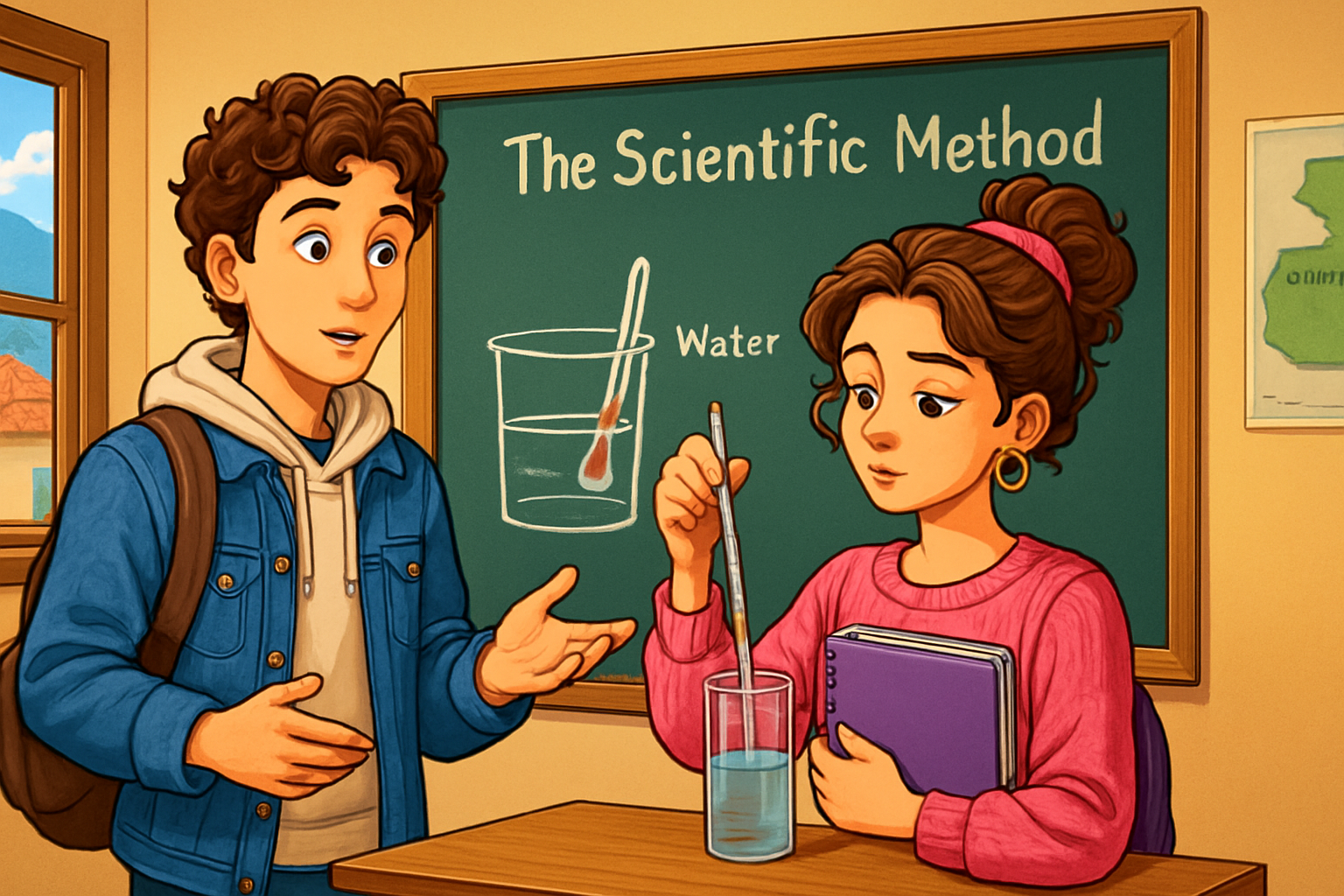
Lesson 7 — Scientific/neutral speech
(Formal and neutral language for scientific topics)
- Grammar: Grammar: Passive voice in present simple for facts, e.g. Water is heated for experiments.
- Vocabulary: Vocabulary: hypothesis, data, analyze, evidence, method, variable, conclusion, experiment
- Speaking: Speaking: Explain a scientific process clearly using neutral words.
- Listening: Listening: Understand a short scientific report or explanation.
- Reading: Reading: Read a simple scientific article and identify key points.
- Goal: Goal: Speak and write about scientific topics using clear, neutral English.

Lesson 8 — Legal, social science terms
(Advanced legal and social science vocabulary and complex sentence structures)
- Grammar: Grammar - Complex conditionals: If the defendant had known, he would have acted differently.
- Vocabulary: Vocabulary - Jurisdiction, litigation, sociological, precedent, statute, defendant, advocacy, empirical, jurisprudence, policy
- Speaking: Speaking - Discuss a social science case study using new vocabulary and complex sentences.
- Listening: Listening - Listen to a lecture on legal reforms and identify key terms and arguments.
- Reading: Reading - Analyze a detailed article about the impact of laws on society.
- Goal: Goal - Use precise legal and social science language to express complex ideas clearly.

Lesson 9 — Sensitive topics
(Polite expressions for sensitive topics)
- Grammar: Grammar - Using modal verbs for politeness: Could you explain? Might I ask?
- Vocabulary: Vocabulary - sensitive, politely, misunderstanding, respectful, careful, express, opinion, disagree
- Speaking: Speaking - Practice discussing a sensitive topic with polite language.
- Listening: Listening - Listen to a conversation about a sensitive issue and answer questions.
- Reading: Reading - Read a dialogue showing polite ways to handle sensitive subjects.
- Goal: Goal - Speak about difficult subjects respectfully and clearly.

Lesson 10 — Philosophical or abstract terms
(Philosophical and abstract terms for advanced discussion and writing.)
- Grammar: Grammar: Use of complex noun phrases and abstract nouns, e.g., "The notion of justice is vital.
- Vocabulary: Vocabulary: ontology, epistemology, metaphysics, existentialism, paradigm, dialectic, essence, transcendence
- Speaking: Speaking: Discuss a philosophical question using new abstract terms with a partner.
- Listening: Listening: Listen to a short lecture on existentialism and note key abstract terms.
- Reading: Reading: Read an article on metaphysics and identify main abstract concepts discussed.
- Goal: Goal: Use advanced abstract terms actively in speaking and writing about philosophical topics.

Lesson 11 — Persuasive language
(Persuasive language: advanced grammar and vocabulary for convincing speech.)
- Grammar: Grammar = Conditional sentences type III: If I had known, I would have helped.
- Vocabulary: Vocabulary = Persuade, convince, argue, emphasize, benefit, impact, evidence, claim.
- Speaking: Speaking = Practice giving a persuasive speech on a chosen topic.
- Listening: Listening = Listen to a debate and identify persuasive techniques used.
- Reading: Reading = Read a persuasive essay and underline key arguments.
- Goal: Goal = Speak and write persuasively to influence others effectively.

Lesson 12 — Data, trends, research
(Complex grammar and vocabulary for talking about data and trends.)
- Grammar: Grammar: Advanced conditionals and passive structures; e.g., If the data were analyzed, results would appear.
- Vocabulary: Vocabulary: Data, trends, analysis, research, statistics, findings, survey, correlation, report, hypothesis
- Speaking: Speaking: Discuss recent research findings and their implications in small groups.
- Listening: Listening: Listen to a lecture on global trends in technology and take notes.
- Reading: Reading: Read and summarize an academic article about social research methods.
- Goal: Goal: Use precise language to present and explain complex research information clearly.

Lesson 13 — Journalism
(Advanced grammar and vocabulary for journalism and news reporting.)
- Grammar: Grammar = Mixed conditionals: If I had known, I would be reporting now.
- Vocabulary: Vocabulary = journalism, reporter, headline, investigation, source, editorial, byline, press release
- Speaking: Speaking = Discuss recent news and give your opinion on the coverage.
- Listening: Listening = Listen to a radio news report and summarize the main points.
- Reading: Reading = Read a newspaper article and identify the author’s perspective.
- Goal: Goal = Use advanced English to understand and talk about journalism topics.

Lesson 14 — Education, analysis
(Education vocabulary and advanced analysis phrases)
- Grammar: Grammar - Using complex sentence structures with "although" and "despite" for contrast.
- Vocabulary: Vocabulary - Curriculum, pedagogy, assessment, critical thinking, analysis, synthesis, evaluation.
- Speaking: Speaking - Discuss pros and cons of different education methods in pairs.
- Listening: Listening - Listen to a lecture on modern education challenges and answer questions.
- Reading: Reading - Read a detailed article on educational theories and summarize main points.
- Goal: Goal - Develop advanced skills to analyze and discuss education topics fluently.

Lesson 15 — Business and economy
(Advanced business vocabulary and complex grammar structures.)
- Grammar: Grammar: Subjunctive mood and conditional sentences; If I were the CEO, I would...
- Vocabulary: Vocabulary: shareholders, profit margin, market trend, investment, merger, revenue, fiscal policy, inflation
- Speaking: Speaking: Discuss the impact of global markets on local businesses in small groups.
- Listening: Listening: Listen to a podcast about recent economic changes and take notes.
- Reading: Reading: Read an article analyzing the effects of mergers on company growth.
- Goal: Goal: Confidently discuss and analyze business and economic topics with others.
Powered by Quetzal Learning Labs