
Talk the talk
C1A - Advanced
15 Lecciones
Las lecciones con candado son para estudiantes inscritos. Las marcadas «Gratis» las puedes abrir ahora mismo.
Lesson 1 — Decisions and life choices
(Conditional sentences and advanced decision-making vocabulary.)
- Grammar: Grammar = Third and mixed conditionals, e.g. If I had chosen differently, I would have succeeded.
- Vocabulary: Vocabulary = dilemma, consequences, prioritize, regret, opportunity, alternative, outcome, commitment.
- Speaking: Speaking = Discuss a personal decision and its impact with a partner.
- Listening: Listening = Listen to a story about a life choice and answer questions.
- Reading: Reading = Read an article about making tough decisions and summarize main points.
- Goal: Goal = Express complex ideas about choices using accurate grammar and rich vocabulary.

Lesson 2 — Preferences & priorities
(Expressing preferences and priorities with complex grammar and vocabulary)
- Grammar: Grammar: Using inverted conditionals and subjunctive mood to express wishes and priorities, e.g., "Were I to choose...
- Vocabulary: Vocabulary: Prioritize, preference, essential, optional, crucial, favor, reluctant, inclined, outweigh
- Speaking: Speaking: Discuss your top three priorities and explain why they matter to you.
- Listening: Listening: Listen to a conversation discussing different life priorities and take notes.
- Reading: Reading: Read a text about how people decide what matters most in life.
- Goal: Goal: Confidently explain your preferences and priorities using advanced English structures.

Lesson 3 — Daily conversation
(Advanced conversation phrases and complex sentence structures.)
- Grammar: Grammar: Use of conditionals and reported speech, e.g., "If I had known, I would have called.
- Vocabulary: Vocabulary: Expressions for agreement, disagreement, suggestions, idioms, phrasal verbs.
- Speaking: Speaking: Practice a role-play of a casual conversation with a partner.
- Listening: Listening: Listen to a recorded daily conversation and answer questions.
- Reading: Reading: Read a dialogue from a novel and identify advanced expressions.
- Goal: Goal: Improve fluency in natural daily conversations at an advanced level.

Lesson 4 — Descriptive storytelling
(Grammar: Using advanced descriptive structures in storytelling)
- Grammar: Grammar = Complex sentences with relative clauses and varied tenses, e.g., "The house that we visited was ancient.
- Vocabulary: Vocabulary = vivid, atmosphere, narrative, detailed, emotions, imagery, tension, climax
- Speaking: Speaking = Tell a detailed story about a memorable event from your life using new grammar.
- Listening: Listening = Listen to a descriptive story and identify the use of advanced grammar and vocabulary.
- Reading: Reading = Read a short descriptive story and highlight the grammar structures and vivid words.
- Goal: Goal = Build confidence in using complex language to make your stories more engaging and clear.
Lesson 5 — News and formal writing
(Formal writing and news vocabulary with advanced grammar structures)
- Grammar: Grammar = Passive voice in formal news, e.g. "The report was published yesterday.
- Vocabulary: Vocabulary = headline, report, source, statement, announcement, editor, journalist, quote
- Speaking: Speaking = Discuss recent news stories using formal language and proper grammar.
- Listening: Listening = Listen to a formal news report and identify key information and tone.
- Reading: Reading = Read a news article and analyze its structure and language use.
- Goal: Goal = Write a clear formal news report using advanced grammar and vocabulary.

Lesson 6 — Education and goals
(Advanced conditionals and goal-related vocabulary)
- Grammar: Grammar: Third and mixed conditionals for discussing past and future possibilities, e.g. If I had studied more, I would have passed.
- Vocabulary: Vocabulary: accomplishment, aspiration, curriculum, diploma, enrol, mentor, postgraduate, scholarship, strive, syllabus
- Speaking: Speaking: Talk about your education and future goals with a partner using new vocabulary.
- Listening: Listening: Listen to a lecture about successful goal setting in education and answer questions.
- Reading: Reading: Read an article about how education shapes career paths and summarize main points.
- Goal: Goal: Use advanced grammar and vocabulary to explain ideas about education and personal goals.
Lesson 7 — Logical reasoning
(Logical connectors: because, therefore, although, however, as a result)
- Grammar: Grammar: Complex sentences with logical connectors; example: I didn’t go because I was tired.
- Vocabulary: Vocabulary: therefore, although, because, as a result, however, consequently, since, in conclusion
- Speaking: Speaking: Explain your opinion using logical connectors in a small group discussion.
- Listening: Listening: Listen to a talk and identify the logical connectors the speaker uses.
- Reading: Reading: Read a short essay and underline logical connectors showing cause and effect.
- Goal: Goal: Express ideas clearly using logic words to support your arguments.
Lesson 8 — Academic & formal linking
(Academic & formal linking words and phrases)
- Grammar: Grammar — Using linking words like "however," "therefore," "moreover" with examples
- Vocabulary: Vocabulary — nevertheless, furthermore, consequently, thus, in addition, whereas, despite
- Speaking: Speaking — Practice linking ideas using formal connectors in a discussion
- Listening: Listening — Listen to a formal lecture and identify linking words used
- Reading: Reading — Read an academic article and underline linking phrases
- Goal: Goal — Connect ideas clearly and formally in academic speech and writing
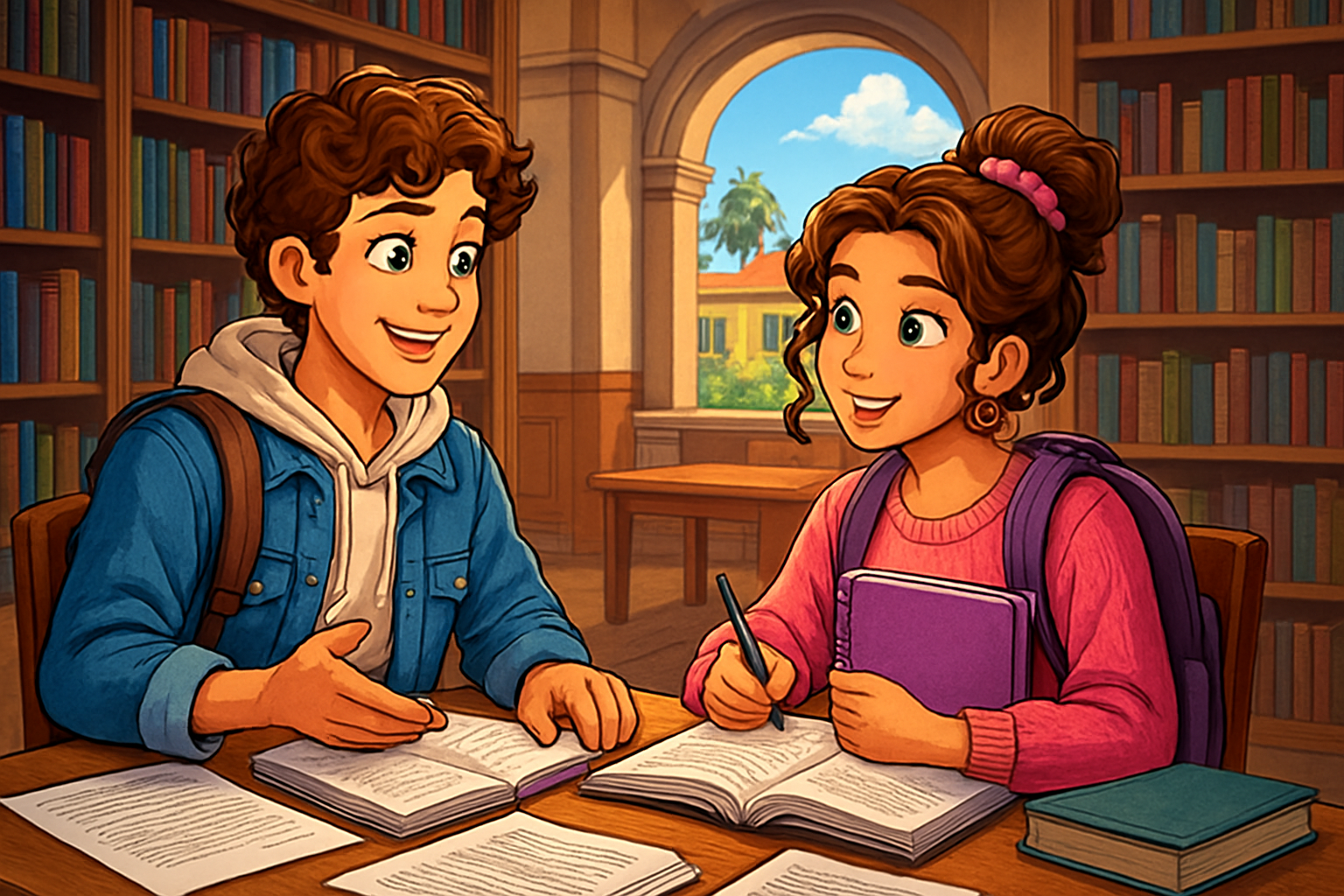
Lesson 9 — Academic writing
(Academic writing: formal language and complex sentence structures)
- Grammar: Grammar = Conditional sentences type 3 for hypothetical academic ideas: If research had shown, it would have proved.
- Vocabulary: Vocabulary = Hypothesis, methodology, analysis, conclusion, evidence, citation, coherence, argument.
- Speaking: Speaking = Discuss academic essay topics using formal vocabulary and linking phrases.
- Listening: Listening = Listen to a lecture excerpt explaining research methodology.
- Reading: Reading = Read a scholarly article focusing on argument structure and formal language.
- Goal: Goal = Write an effective academic paragraph with clear structure and formal tone.

Lesson 10 — Experiences
(Mixed past tenses and expressive storytelling language)
- Grammar: Grammar = Mixed past tenses (past perfect / past continuous) with example: I had finished when she arrived.
- Vocabulary: Vocabulary = unforgettable, challenge, overcome, memorable, remarkable, adventure, experience, insight
- Speaking: Speaking = Share a personal story using past tenses and descriptive words with a partner.
- Listening: Listening = Listen to a story about a life-changing experience and answer questions.
- Reading: Reading = Read a short text about a traveler’s experiences and identify key feelings.
- Goal: Goal = Speak confidently about your experiences using detailed language and correct grammar.
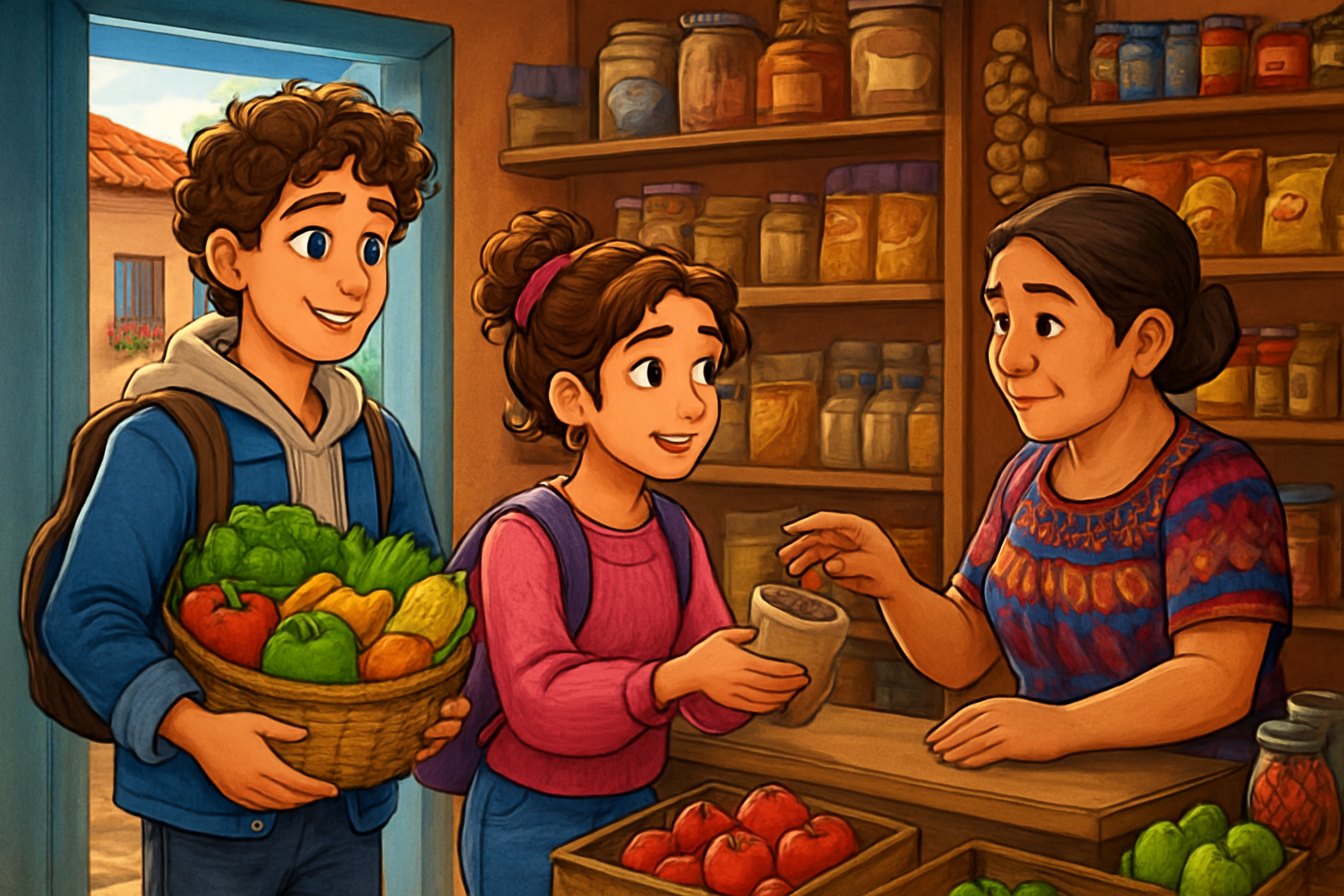
Lesson 11 — Polite language
(Polite language: requests, offers, and responses)
- Grammar: Grammar: Modal verbs for politeness like could, would, may; "Could you help me?
- Vocabulary: Vocabulary: please, thank you, excuse me, would you mind, may I, sorry, appreciate
- Speaking: Speaking: Practice polite requests and responses in small dialogues.
- Listening: Listening: Hear conversations where people use polite expressions.
- Reading: Reading: Read short texts showing polite language in formal and informal settings.
- Goal: Goal: Speak politely to improve social and work communication effectively.
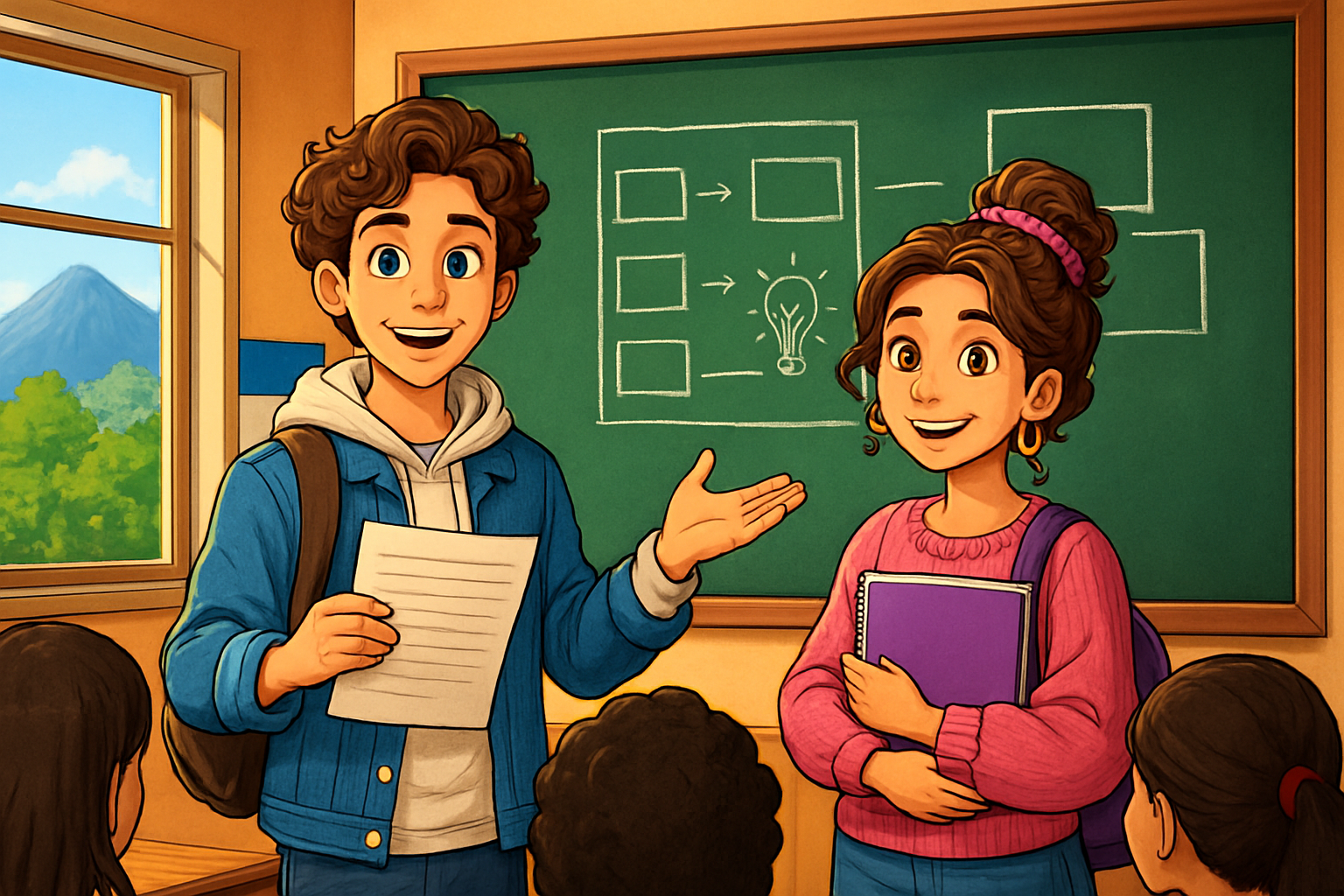
Lesson 12 — Presentations
(Advanced grammar and vocabulary for effective presentations)
- Grammar: Grammar = Using complex sentences with connectors: although, however, therefore (e.g., I studied hard; however, I still failed.)
- Vocabulary: Vocabulary = Presentation, introduction, conclusion, audience, main point, transition, clarify, emphasize, visual aid, feedback
- Speaking: Speaking = Prepare and give a 3-minute presentation on a familiar topic to a small group
- Listening: Listening = Listen to a professional presentation and identify transition words and key points
- Reading: Reading = Read a model presentation transcript and note useful phrases for structure and clarity
- Goal: Goal = Use advanced language to make presentations that are clear, engaging, and well organized

Lesson 13 — Dialogue reporting
(Reporting speech: reported statements and questions)
- Grammar: Grammar: Using reported speech with tense changes, e.g. He said he was tired.
- Vocabulary: Vocabulary: Report, said, told, asked, answered, told me, explained, mentioned
- Speaking: Speaking: Practice reporting dialogues from a short conversation.
- Listening: Listening: Hear dialogues and report what the speakers said.
- Reading: Reading: Read reported speech examples and match them with original sentences.
- Goal: Goal: Speak and write reported speech clearly and accurately in conversations.

Lesson 14 — Organizing ideas
(Organizing ideas: linking words and phrases for clarity)
- Grammar: Grammar: Using linking words like however, therefore, and furthermore; e.g., I want to go; however, it is late.
- Vocabulary: Vocabulary: Linking words, transition, coherence, sequence, contrast, cause, effect, addition
- Speaking: Speaking: Practice organizing ideas in a short speech using linking words.
- Listening: Listening: Listen to a talk and identify how ideas are connected.
- Reading: Reading: Read a text and underline the linking words that organize ideas.
- Goal: Goal: To improve clear communication by structuring ideas logically.

Lesson 15 — Natural speech
(Grammar and vocabulary of natural speech: contractions, reductions, and slang)
- Grammar: Grammar: Contractions and reductions in natural speech, e.g., gonna (going to), wanna (want to)
- Vocabulary: Vocabulary: Informal phrases, slang words, fillers like um, you know, like
- Speaking: Speaking: Practice using contractions and informal phrases in a conversation role-play
- Listening: Listening: Listen to a natural conversation and identify reduced forms and slang
- Reading: Reading: Read a transcript of a casual chat with natural speech markers highlighted
- Goal: Goal: Speak and understand everyday English with natural flow and informal style
Powered by Quetzal Learning Labs