
Talk the talk
A2B - Elementary
15 Lecciones
Las lecciones con candado son para estudiantes inscritos. Las marcadas «Gratis» las puedes abrir ahora mismo.
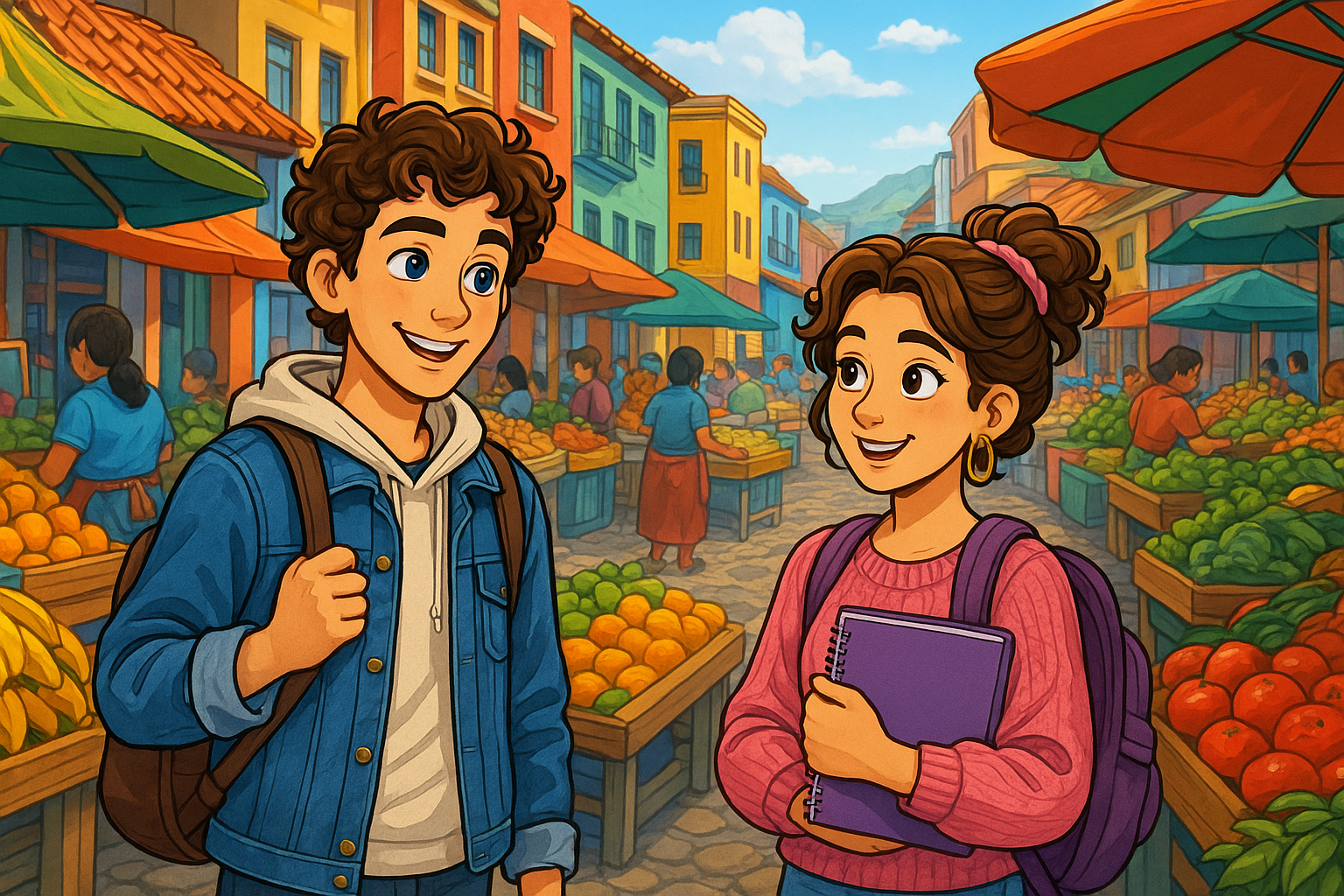
Lesson 16 — Cities and people
(Talking about cities and people with simple present tense.)
- Grammar: Grammar: Simple present tense to talk about people and places; e.g., "People live in cities.
- Vocabulary: Vocabulary: city, town, village, population, resident, area, busy, friendly, culture, landmarks
- Speaking: Speaking: Describe your city and the people who live there in a short talk.
- Listening: Listening: Listen to a short story about life in a busy city and answer questions.
- Reading: Reading: Read a text about different cities and answer simple comprehension questions.
- Goal: Goal: Be confident talking about cities and people in daily conversations.

Lesson 17 — Travel and food
(Present continuous tense: I am eating, we are traveling)
- Grammar: Present continuous: I am eating dinner now, We are traveling tomorrow
- Vocabulary: Travel, food, restaurant, menu, ticket, hotel, airport, meal, breakfast, dinner
- Speaking: Talk with a partner about your favorite food and travel plans
- Listening: Listen to a conversation about a trip and answer questions
- Reading: Read a short story about traveling and eating in a new city
- Goal: Use new words and grammar to talk about trips and meals in English
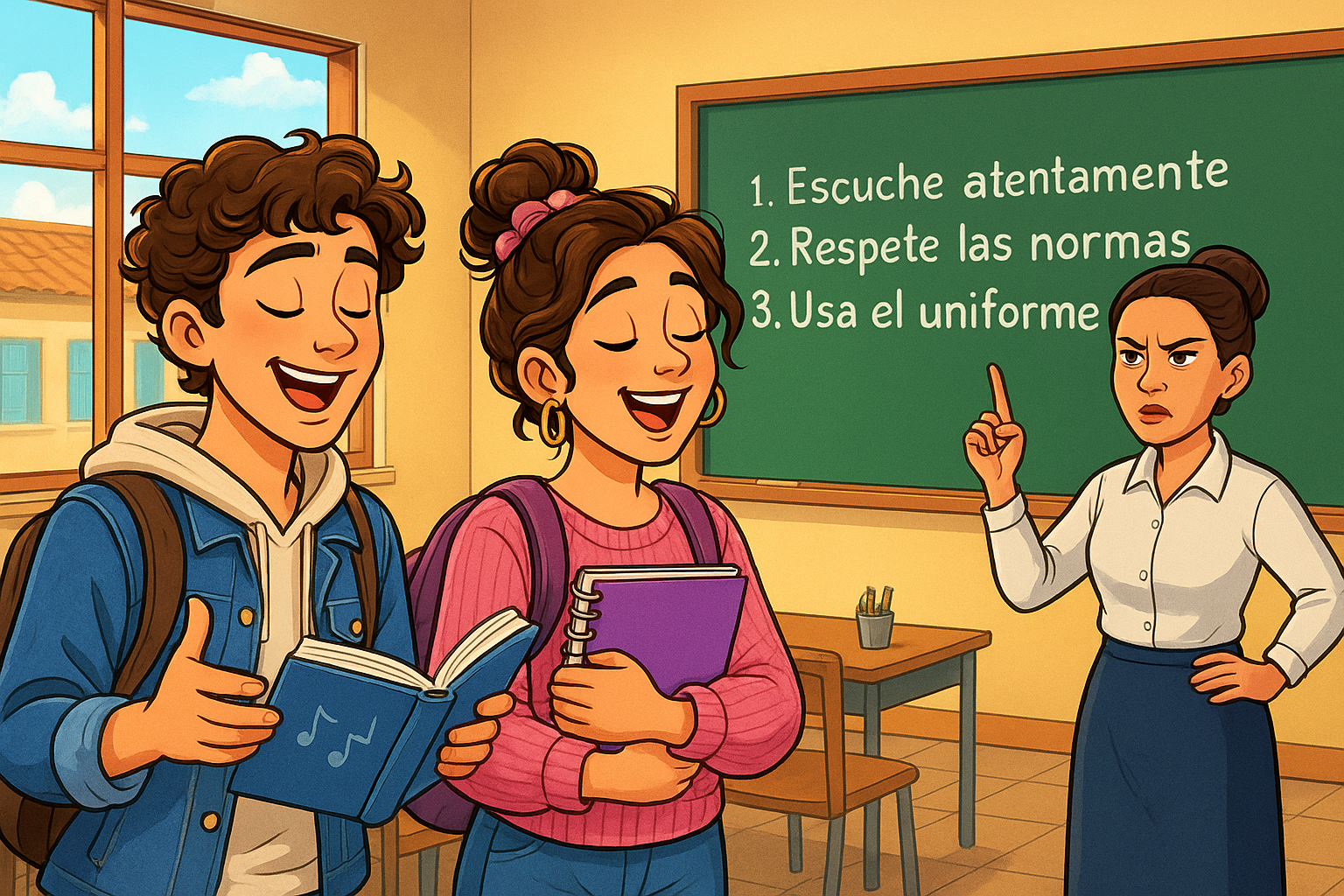
Lesson 18 — Talents and rules
(Modal verbs for ability and obligation: can, have to, must)
- Grammar: Grammar: can for ability (I can sing), must and have to for rules (You must wear a uniform)
- Vocabulary: Vocabulary: talent, skill, rule, must, have to, can, practice, listen, respect, follow
- Speaking: Speaking: Talk about your talents and describe a rule you follow
- Listening: Listening: Listen to people talking about their talents and workplace rules
- Reading: Reading: Read a short text about school rules and student talents
- Goal: Goal: Describe personal talents and explain rules clearly in conversations

Lesson 19 — Health and habits
(Present simple tense for health and daily habits)
- Grammar: Grammar: Present simple tense with health verbs, e.g. I feel good.
- Vocabulary: Vocabulary: healthy, exercise, diet, sleep, medicine, doctor, habits, tired
- Speaking: Speaking: Talk about your daily routine and how you stay healthy.
- Listening: Listening: Listen to a conversation about health and habits.
- Reading: Reading: Read a short text about healthy lifestyles.
- Goal: Goal: Understand and use simple English to talk about health and habits.
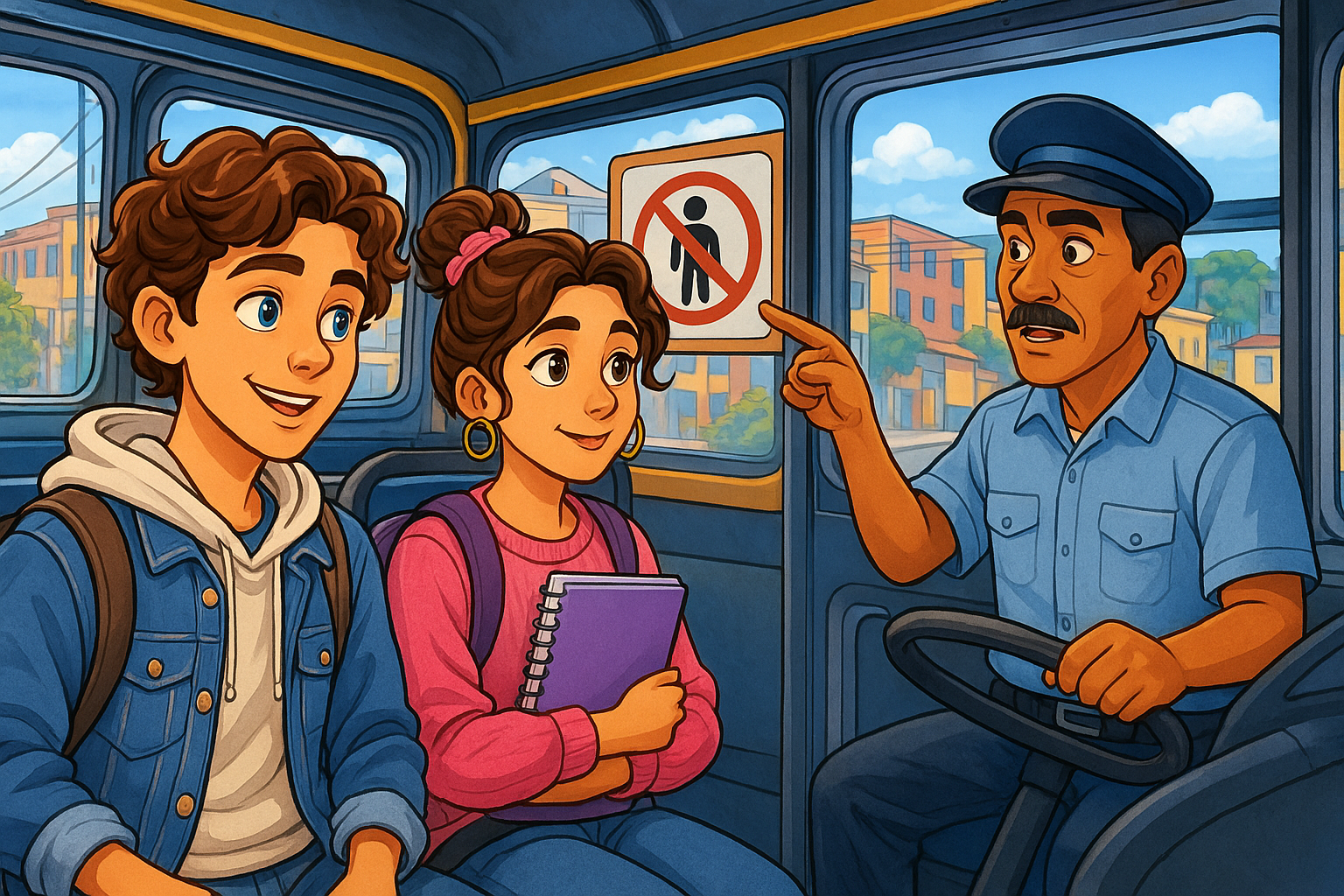
Lesson 20 — Rules and laws
(Modal verbs for obligation: must, have to, don’t have to)
- Grammar: Grammar: Using must, have to, and don’t have to for rules and obligations; e.g., You must wear a helmet.
- Vocabulary: Vocabulary: rule, law, must, have to, don’t have to, obey, forbidden, allowed, fine
- Speaking: Speaking: Practice asking and answering questions about rules in different places.
- Listening: Listening: Listen to a conversation about school rules and answer questions.
- Reading: Reading: Read a short text about traffic laws and find key information.
- Goal: Goal: Understand and use basic words and phrases to discuss rules and laws.

Lesson 21 — Responsibilities
(Modal verbs: must, have to)
- Grammar: Grammar: Modal verbs 'must' and 'have to' with examples: I must study. She has to work.
- Vocabulary: Vocabulary: chores, schedule, responsibility, deadline, meeting, cleaning, cooking, homework
- Speaking: Speaking: Talk about your daily responsibilities using must or have to
- Listening: Listening: Listen to a conversation about work duties and answer questions
- Reading: Reading: Read a short text about someone’s responsibilities at home and work
- Goal: Goal: Talk clearly about what you must or have to do every day
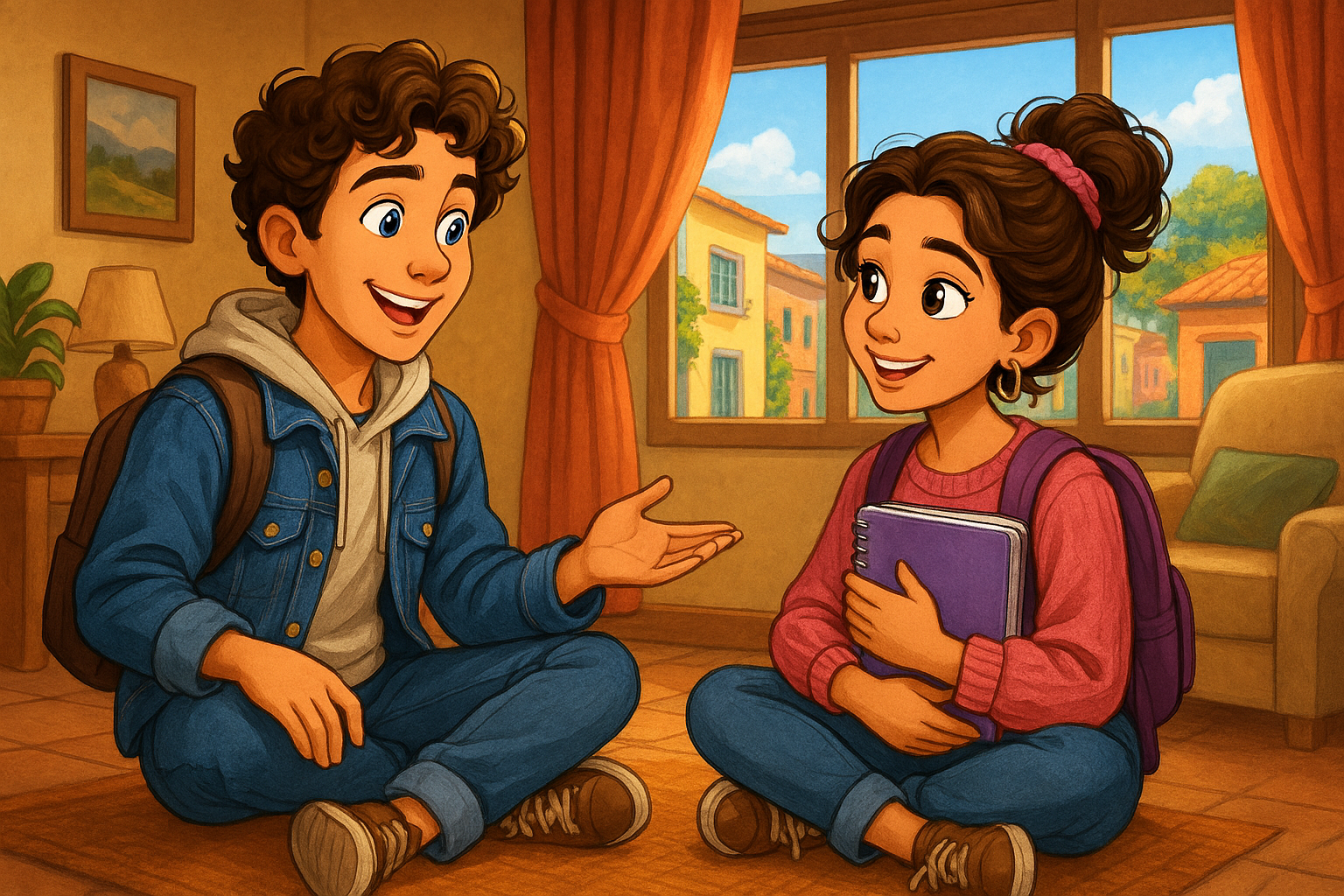
Lesson 22 — Weekend plans
(Grammar: Going to for future plans)
- Grammar: Grammar: Going to + verb for future plans (I am going to visit my friend.)
- Vocabulary: Vocabulary: weekend, plans, visit, party, movie, shopping, relax, friend
- Speaking: Speaking: Describe your weekend plans to a partner using going to
- Listening: Listening: Listen to two people talk about their weekend plans
- Reading: Reading: Read a short text about someone’s weekend plans
- Goal: Goal: Talk about what you plan to do on the weekend using simple language
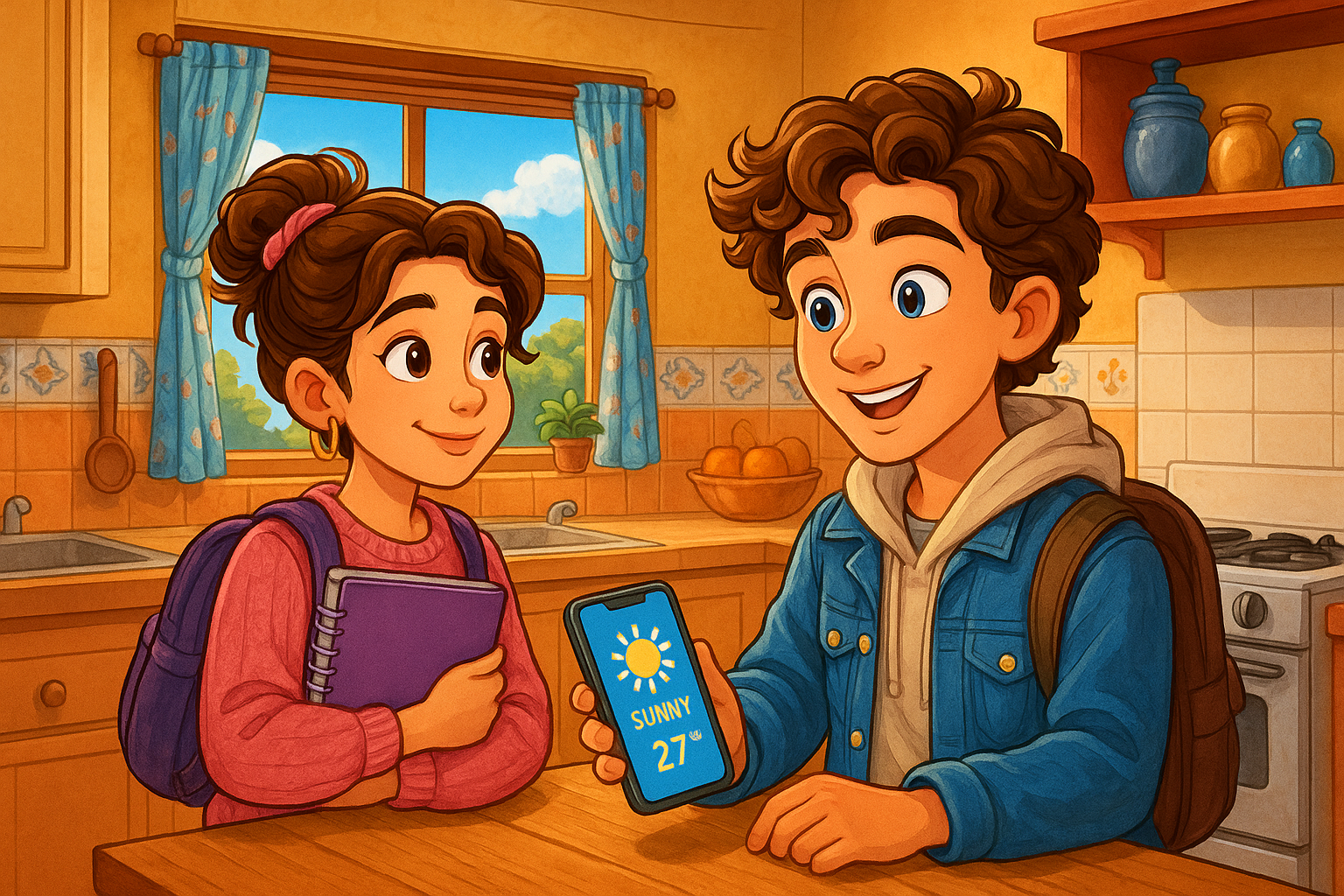
Lesson 23 — Weather / technology
(Grammar: Present simple tense with weather and technology words.)
- Grammar: Grammar: Present simple tense with "It is" and "I use" (It is sunny, I use a phone).
- Vocabulary: Vocabulary: sunny, rainy, windy, cold, phone, computer, email, app, charger.
- Speaking: Speaking: Describe today’s weather and your favorite device in short sentences.
- Listening: Listening: Listen to a short talk about weather and technology and answer questions.
- Reading: Reading: Read a simple text about weather and technology in everyday life.
- Goal: Goal: Use present simple to talk about weather and technology.

Lesson 24 — Life choices
(Future forms: will vs going to)
- Grammar: Grammar: will for decisions, going to for plans; example: I will study, I am going to travel.
- Vocabulary: Vocabulary: career, move, decide, plan, change, dream, future, choice, opportunity.
- Speaking: Speaking: Discuss your future plans with a partner using will and going to.
- Listening: Listening: Listen to two people talking about their life choices and plans.
- Reading: Reading: Read a short story about someone’s important life decision.
- Goal: Goal: Talk about your future choices clearly using simple future language.
Lesson 25 — Daily and past questions
(Questions in the present and past tenses (do/does, did))
- Grammar: Grammar - Present and past question forms: Do you work? Did you go yesterday?
- Vocabulary: Vocabulary - Work, school, yesterday, today, last night, eat, go, see, do, watch
- Speaking: Speaking - Practice asking and answering daily and past activity questions with a partner.
- Listening: Listening - Listen to short conversations with questions about daily routines and past events.
- Reading: Reading - Read a short story about someone's daily life and what they did last weekend.
- Goal: Goal - Be able to talk about daily habits and past actions using questions and answers.
Lesson 26 — Life experiences
(Past simple tense: regular and irregular verbs)
- Grammar: Grammar: Past simple tense; I visited, She went, They watched
- Vocabulary: Vocabulary: travel, meet, grow up, learn, try, visit, move, decide, enjoy, remember
- Speaking: Speaking: Talk about one important life experience with a partner
- Listening: Listening: Listen to someone telling their life story and answer questions
- Reading: Reading: Read a short story about a famous person's life experiences
- Goal: Goal: Share simple stories about your past experiences with others

Lesson 27 — Recent actions
(Present perfect with "just" (have/has + just + past participle))
- Grammar: Grammar: Present perfect with just - I have just eaten, She has just arrived.
- Vocabulary: Vocabulary: just, already, recently, finished, arrived, started, seen, bought, made.
- Speaking: Speaking: Tell a partner three things you have just done today.
- Listening: Listening: Listen to short dialogues about recent actions and answer questions.
- Reading: Reading: Read a short story about a day with recent events and answer true/false.
- Goal: Goal: Use just + present perfect to talk about what you have done recently.
Lesson 28 — Arguments and explanations
(Using because and so to give reasons and explanations)
- Grammar: Grammar: Use because and so to explain reasons; example: I am late because of traffic.
- Vocabulary: Vocabulary: argue, explain, opinion, reason, because, so, agree, disagree, problem
- Speaking: Speaking: Practice giving reasons for your opinions in pairs.
- Listening: Listening: Listen to short conversations where people explain their opinions.
- Reading: Reading: Read a short text about a simple argument and find the reasons given.
- Goal: Goal: Understand and use basic language to explain your ideas clearly.
Lesson 29 — Review all
(Review of grammar and vocabulary from previous lessons)
- Grammar: Grammar = Present simple and continuous, past tense; You speak about daily activities and past events.
- Vocabulary: Vocabulary = Family, food, travel, jobs, hobbies, colors, adjectives, numbers, days, weather
- Speaking: Speaking = Talk about your family and weekend plans with a partner.
- Listening: Listening = Listen to a short story about a trip and answer questions.
- Reading: Reading = Read a dialogue about shopping and find the main ideas.
- Goal: Goal = Use correct grammar and vocabulary to improve communication skills.

Lesson 30 — All key themes
(Grammar review: Present simple and past simple verbs)
- Grammar: Grammar = Review present simple and past simple with example: I work / I worked
- Vocabulary: Vocabulary = Family, jobs, food, hobbies, weather, travel, places, daily routines
- Speaking: Speaking = Practice talking about your daily routine and past weekend activities
- Listening: Listening = Listen to a short dialogue about a family trip and answer questions
- Reading: Reading = Read a simple story about a holiday and answer true/false questions
- Goal: Goal = Use key words and grammar to communicate about everyday life confidently
Powered by Quetzal Learning Labs