
Talk the talk
B2A - Upper intermediate
15 Lecciones
Las lecciones con candado son para estudiantes inscritos. Las marcadas «Gratis» las puedes abrir ahora mismo.

Lesson 1 — Life experiences
(Past tenses: past simple, past perfect, and past continuous.)
- Grammar: Grammar: Past simple, past perfect, and past continuous with examples.
- Vocabulary: Vocabulary: Adventure, challenge, achievement, memory, travel, experience, journey, story.
- Speaking: Speaking: Tell a story about an important experience from your life.
- Listening: Listening: Listen to someone describing a life-changing event.
- Reading: Reading: Read a short story about a memorable adventure.
- Goal: Goal: Share your life stories confidently using correct past tenses.
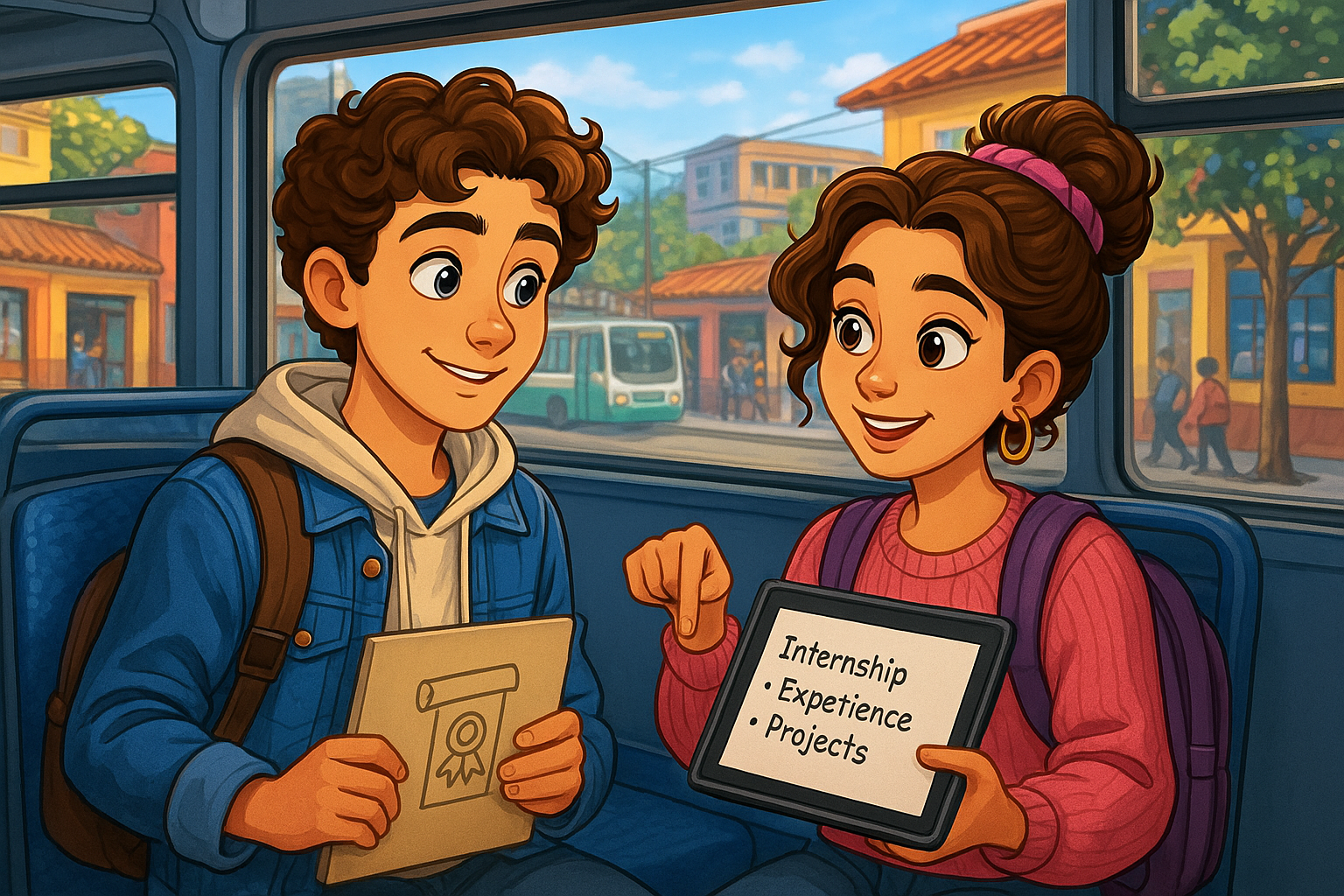
Lesson 2 — Work & study
(Present perfect and past simple in work and study contexts)
- Grammar: Grammar: Present perfect vs. past simple; example: I have worked here for five years.
- Vocabulary: Vocabulary: career, degree, internship, colleague, assignment, graduate, deadline
- Speaking: Speaking: Describe your job and educational background in a short conversation.
- Listening: Listening: Listen to a short interview about someone's career path and take notes.
- Reading: Reading: Read a text about study habits and answer comprehension questions.
- Goal: Goal: Be confident discussing work and study to connect with others well.
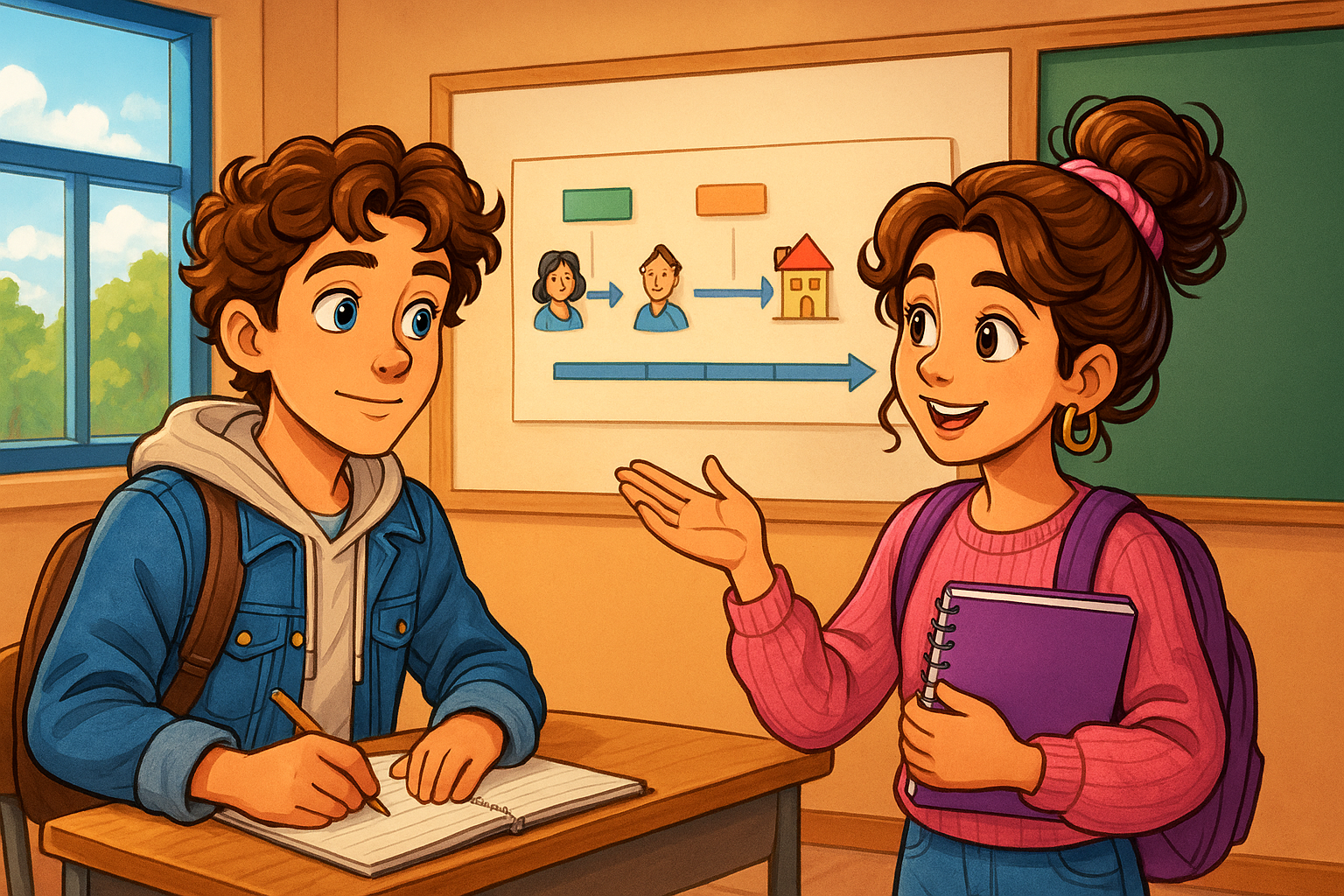
Lesson 3 — Events and timelines
(Past tenses and sequencing words for events and timelines)
- Grammar: Grammar: Past simple and past perfect; example: I had finished before he arrived.
- Vocabulary: Vocabulary: timeline, event, before, after, during, then, finally, at that time
- Speaking: Speaking: Describe a series of events in your life using timeline words.
- Listening: Listening: Listen to a story and note the order of events.
- Reading: Reading: Read a text about a famous event and identify the timeline.
- Goal: Goal: Understand and tell stories using the correct order of past events.

Lesson 4 — Projects, deadlines
(Present perfect continuous and future time expressions.)
- Grammar: Grammar: Present perfect continuous (I have been working on the project) and future time (The deadline is next week).
- Vocabulary: Vocabulary: project, deadline, progress, delay, tasks, schedule, complete, update, review, prioritize.
- Speaking: Speaking: Describe your current project and explain your progress to a partner.
- Listening: Listening: Listen to a manager discussing a project timeline and answer questions.
- Reading: Reading: Read an email about a project update and note any changes in deadlines.
- Goal: Goal: Speak and understand English to manage projects and deadlines at work.
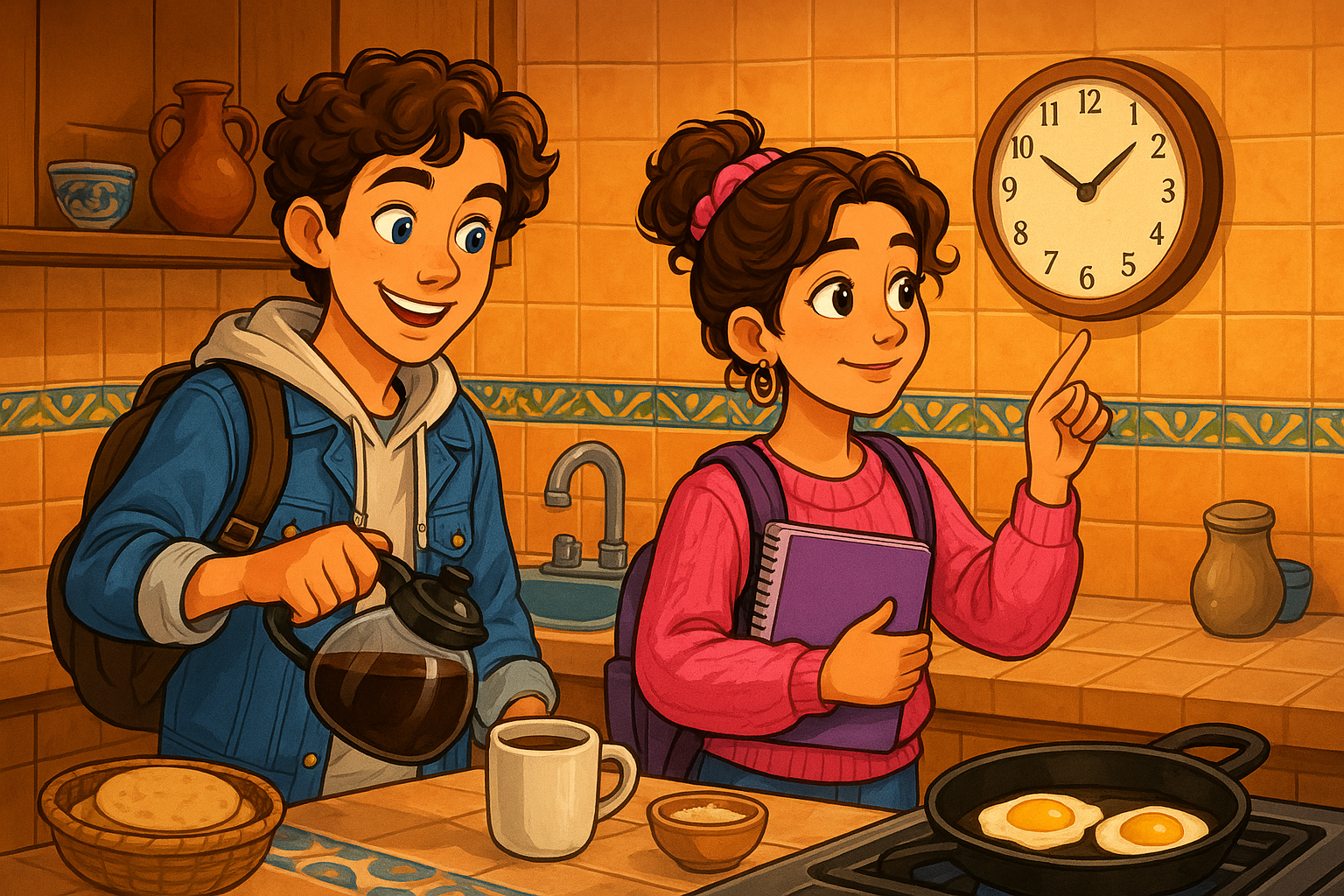
Lesson 5 — Routines & schedules
(Present simple and adverbs of frequency for routines)
- Grammar: Grammar: Present simple tense, e.g., I wake up at 7 am; adverbs of frequency, e.g., usually, sometimes.
- Vocabulary: Vocabulary: routine, schedule, appointment, habit, usually, always, sometimes, rarely, never.
- Speaking: Speaking: Describe your daily routine and ask about a partner's schedule.
- Listening: Listening: Listen to a conversation about daily routines; answer questions.
- Reading: Reading: Read a short text about a person's weekly schedule.
- Goal: Goal: Use present simple and frequency words to talk about your routine clearly.

Lesson 6 — Problem solving
(Conditional sentences for problem solving (If + would / could).)
- Grammar: Grammar: Second and third conditionals, e.g. If I had more time, I would help.
- Vocabulary: Vocabulary: problem, solution, issue, challenge, fix, resolve, overcome, advice.
- Speaking: Speaking: Practice a conversation about solving a common problem.
- Listening: Listening: Listen to a dialogue where two people discuss solutions.
- Reading: Reading: Read a text about effective problem-solving strategies.
- Goal: Goal: Talk about problems and offer solutions using the correct grammar.
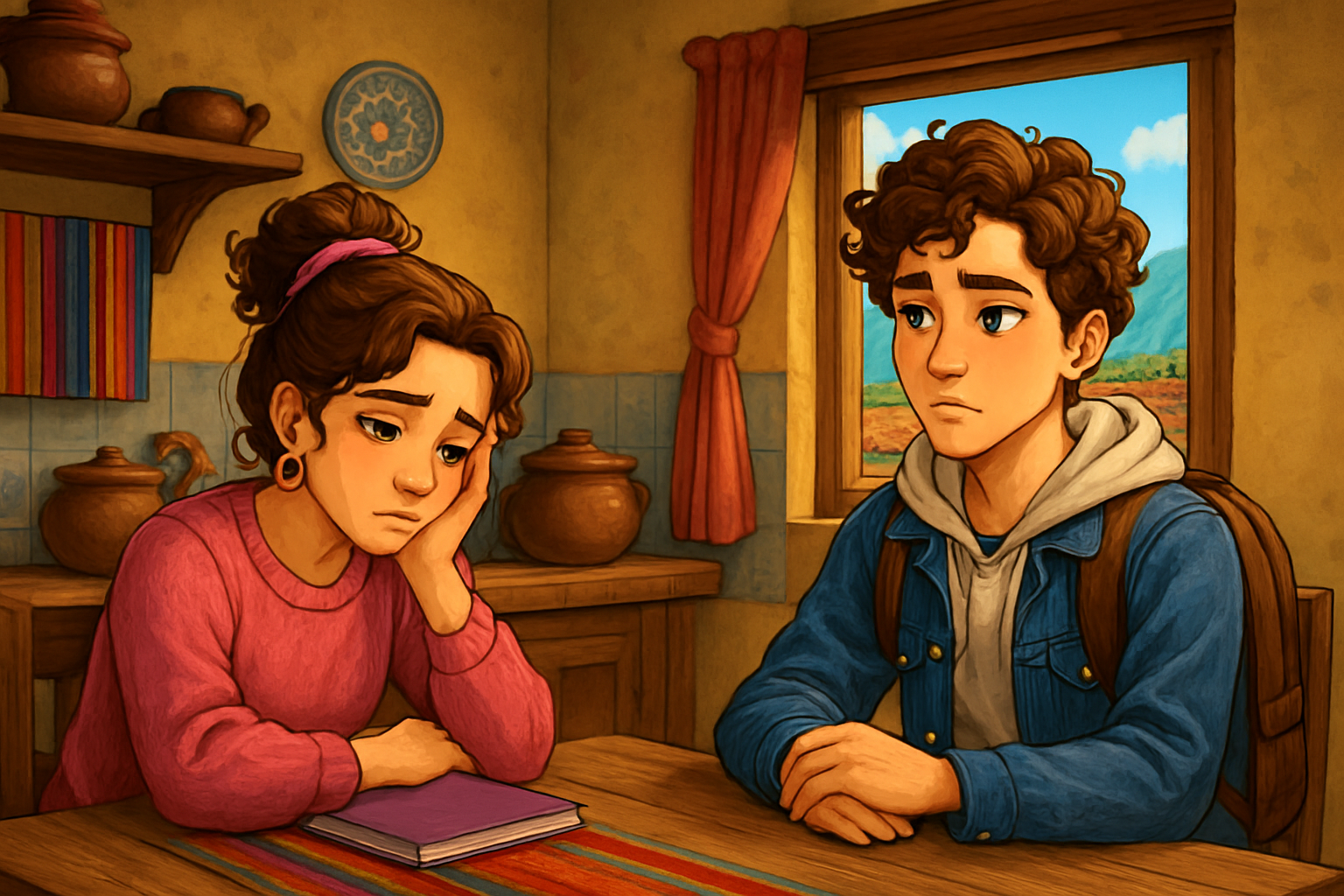
Lesson 7 — Regrets & reflection
(Past perfect and modal verbs for regrets (should have, could have, would have))
- Grammar: Grammar: Past perfect and modal verbs for regret, e.g., I should have studied more.
- Vocabulary: Vocabulary: Regret, reflection, decision, opportunity, mistake, hindsight, consequences, regretful
- Speaking: Speaking: Share a past regret and explain what you learned from it.
- Listening: Listening: Listen to a story about regrets and answer follow-up questions.
- Reading: Reading: Read a short text about life reflections and underline regrets mentioned.
- Goal: Goal: Express regrets and reflect on past choices using correct grammar.
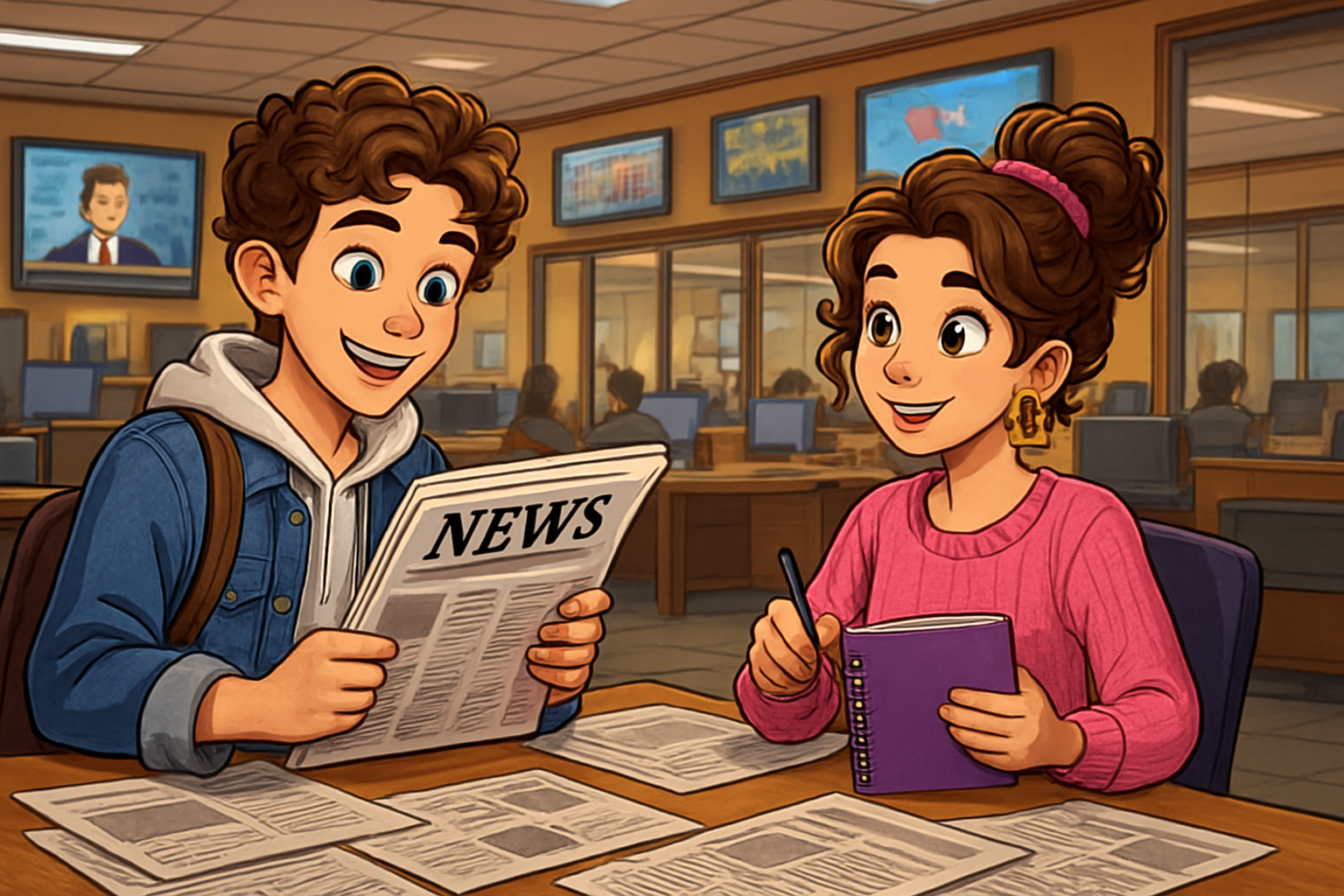
Lesson 8 — News and processes
(Reported speech and sequencing words for processes)
- Grammar: Grammar = Reported speech with examples: He said he was coming; sequencing words like first, then, finally
- Vocabulary: Vocabulary = news, report, interview, event, process, step, cause, effect, update
- Speaking: Speaking = Describe a news event and explain a simple process to a partner
- Listening: Listening = Listen to a news report and note the main points and sequence of events
- Reading: Reading = Read a news article and identify the reported speech and process description
- Goal: Goal = Talk about news and explain how something happens using clear steps
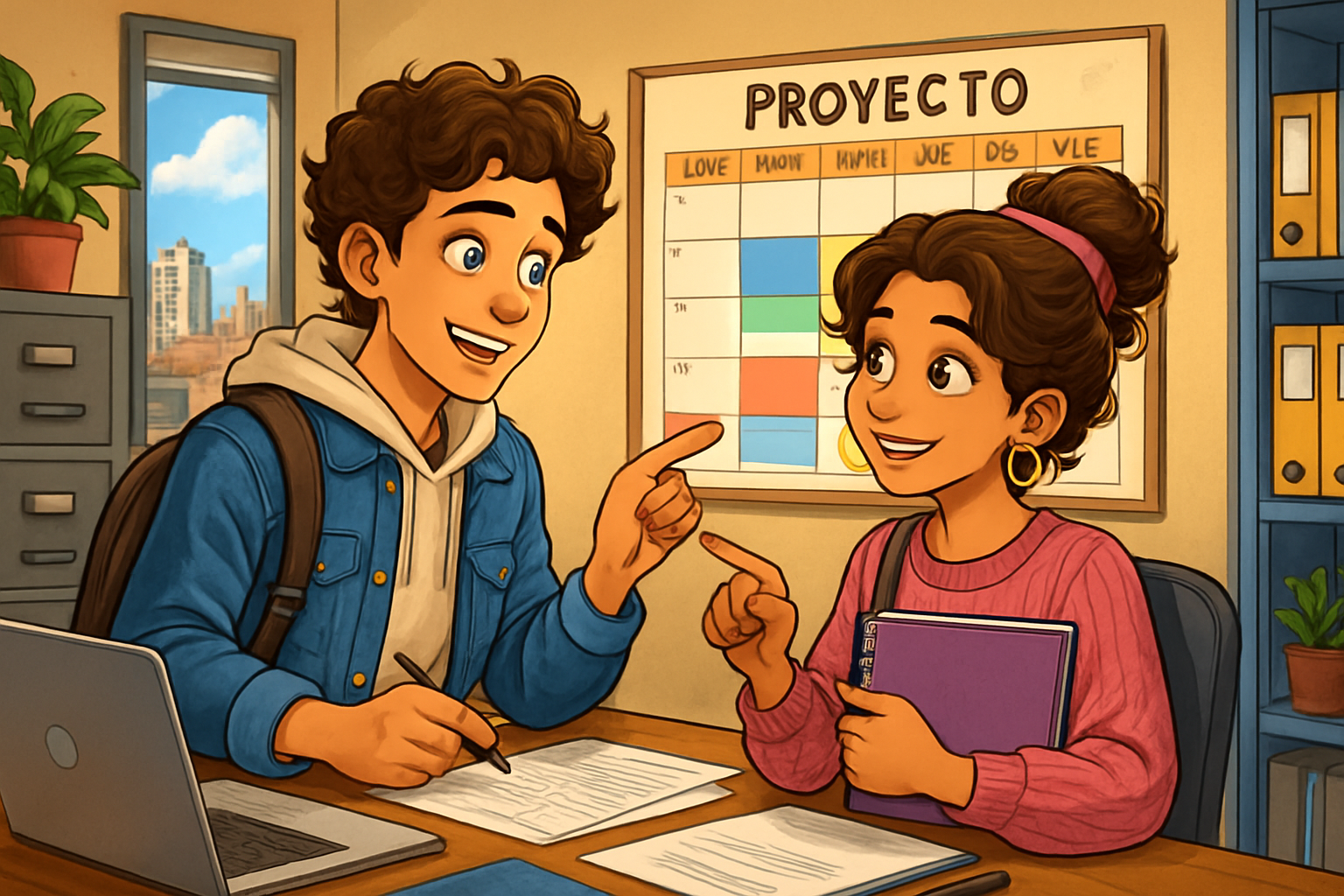
Lesson 9 — Plans and procedures
(Future tenses and sequence expressions for plans and procedures)
- Grammar: Grammar – will, going to, present continuous for future; First, then, finally example sentences
- Vocabulary: Vocabulary – plan, schedule, step, procedure, deadline, arrange, prepare, complete, confirm
- Speaking: Speaking – Describe your weekend plans using future tenses and sequence words
- Listening: Listening – Listen to a conversation about a project plan and identify key steps
- Reading: Reading – Read a procedure manual and answer questions about the steps
- Goal: Goal – Explain plans and procedures clearly in speaking and writing tasks

Lesson 10 — Office and social situations
(Modal verbs for suggestions and offers: should, could, would)
- Grammar: Modal verbs for advice and offers, e.g., You should join the meeting, Could I help you?
- Vocabulary: meeting, deadline, colleague, coffee break, invitation, networking, presentation, RSVP
- Speaking: Practice making polite suggestions and offers in conversations about work events.
- Listening: Listen to dialogues at the office and social gatherings to identify key phrases.
- Reading: Read an email invitation to a company event and answer comprehension questions.
- Goal: Use modal verbs to give advice and make offers in work and social situations.
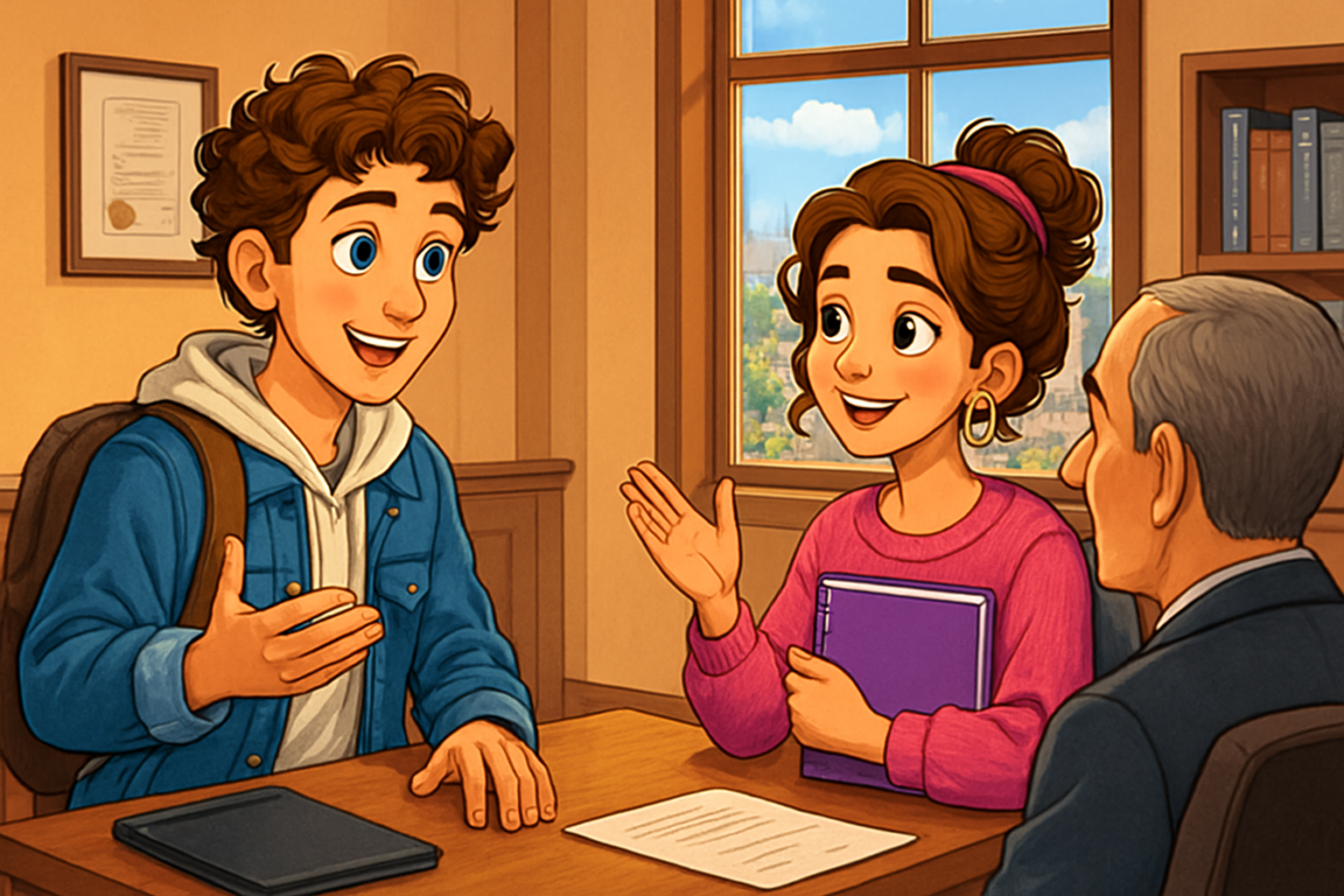
Lesson 11 — Interviews
(Asking and answering questions in job interviews)
- Grammar: Grammar: Using the present perfect and past simple to talk about experience. Example: I have worked here for five years.
- Vocabulary: Vocabulary: Interview, candidate, skills, strengths, weaknesses, experience, position, employer, questions, answers
- Speaking: Speaking: Practice answering common interview questions aloud with a partner.
- Listening: Listening: Listen to a job interview and note the questions and answers used.
- Reading: Reading: Read a sample interview transcript and identify key phrases.
- Goal: Goal: To feel confident and prepared to take part in real job interviews in English.

Lesson 12 — Instructions and rules
(Giving instructions and talking about rules)
- Grammar: Grammar - Modal verbs for instructions and rules: must, should, have to (You must wear a helmet.)
- Vocabulary: Vocabulary - Instructions, rules, should, must, have to, permission, forbidden, follow, guidelines
- Speaking: Speaking - Practice giving clear instructions for simple tasks with a partner
- Listening: Listening - Listen to a conversation about rules at a sports club and answer questions
- Reading: Reading - Read a text with rules for using a library and identify main points
- Goal: Goal - Use instructions and rules confidently in speaking and writing situations

Lesson 13 — Emotions and memories
(Past tenses and emotion vocabulary for storytelling.)
- Grammar: Grammar: Mixed past tenses with examples - I felt happy when I visited Paris.
- Vocabulary: Vocabulary: nostalgia, joy, regret, excitement, memory, mood, reflect, experience.
- Speaking: Speaking: Share a memorable experience and describe how it made you feel.
- Listening: Listening: Listen to a story about a childhood memory and answer questions.
- Reading: Reading: Read a short text about emotions linked to past events and summarize it.
- Goal: Goal: Use past tenses and emotion words to express personal memories fluently.

Lesson 14 — Stories
(Past tenses and storytelling vocabulary)
- Grammar: Grammar: Past simple, past continuous, and past perfect - "I had finished before he arrived.
- Vocabulary: Vocabulary: storyteller, plot, character, setting, climax, dialogue, twist, ending, emotion
- Speaking: Speaking: Tell a personal story using past tenses to a partner.
- Listening: Listening: Listen to a short story and answer comprehension questions.
- Reading: Reading: Read a story about an unexpected event and identify the plot elements.
- Goal: Goal: Use past tenses and story vocabulary to share and understand stories in English.
Lesson 15 — Hypothetical situations
(Hypothetical situations with if-clauses and modal verbs)
- Grammar: Grammar = If-clauses type 2 and 3; If I were rich, I would travel more.
- Vocabulary: Vocabulary = hypothetical, unlikely, possible, imagine, suppose, condition, result, consequence
- Speaking: Speaking = Discuss what you would do if you won the lottery.
- Listening: Listening = Hear a short story about a missed opportunity and answer questions.
- Reading: Reading = Read a text about different life choices and their possible outcomes.
- Goal: Goal = Use language to talk about imaginary or unreal situations clearly.
Powered by Quetzal Learning Labs