
Talk the talk
B1A - Intermediate
15 Lecciones
Las lecciones con candado son para estudiantes inscritos. Las marcadas «Gratis» las puedes abrir ahora mismo.
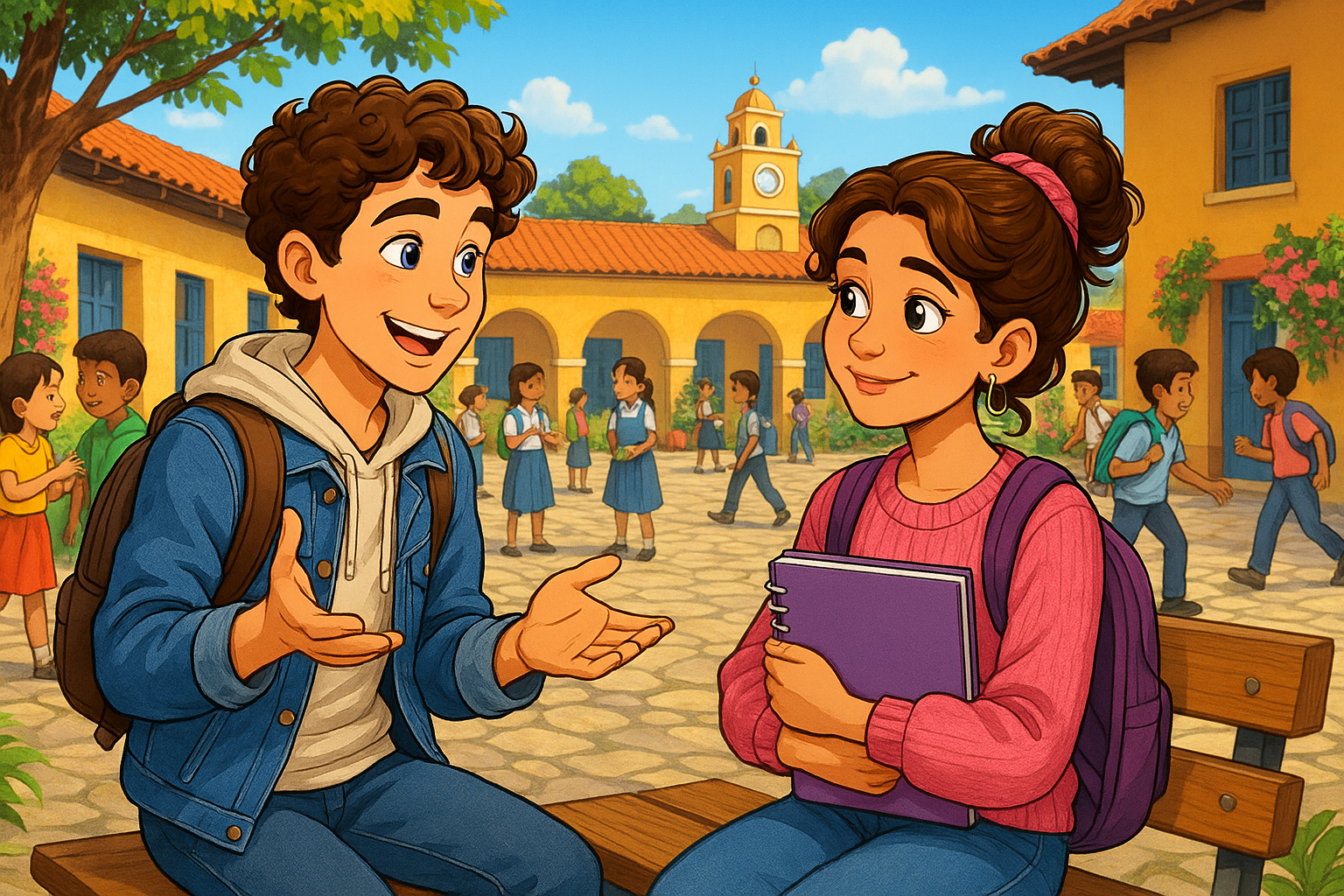
Lesson 1 — Life experiences
(Past tenses: simple past and present perfect)
- Grammar: Grammar = Simple past vs. present perfect, e.g., I visited / I have visited
- Vocabulary: Vocabulary = travel, education, work, hobbies, achievements, family, events, places
- Speaking: Speaking = Share a story about a memorable life experience with a partner
- Listening: Listening = Listen to a short story about someone's life journey, answer questions
- Reading: Reading = Read a personal biography and find life events and important details
- Goal: Goal = Use past tenses to talk about your personal experiences with confidence
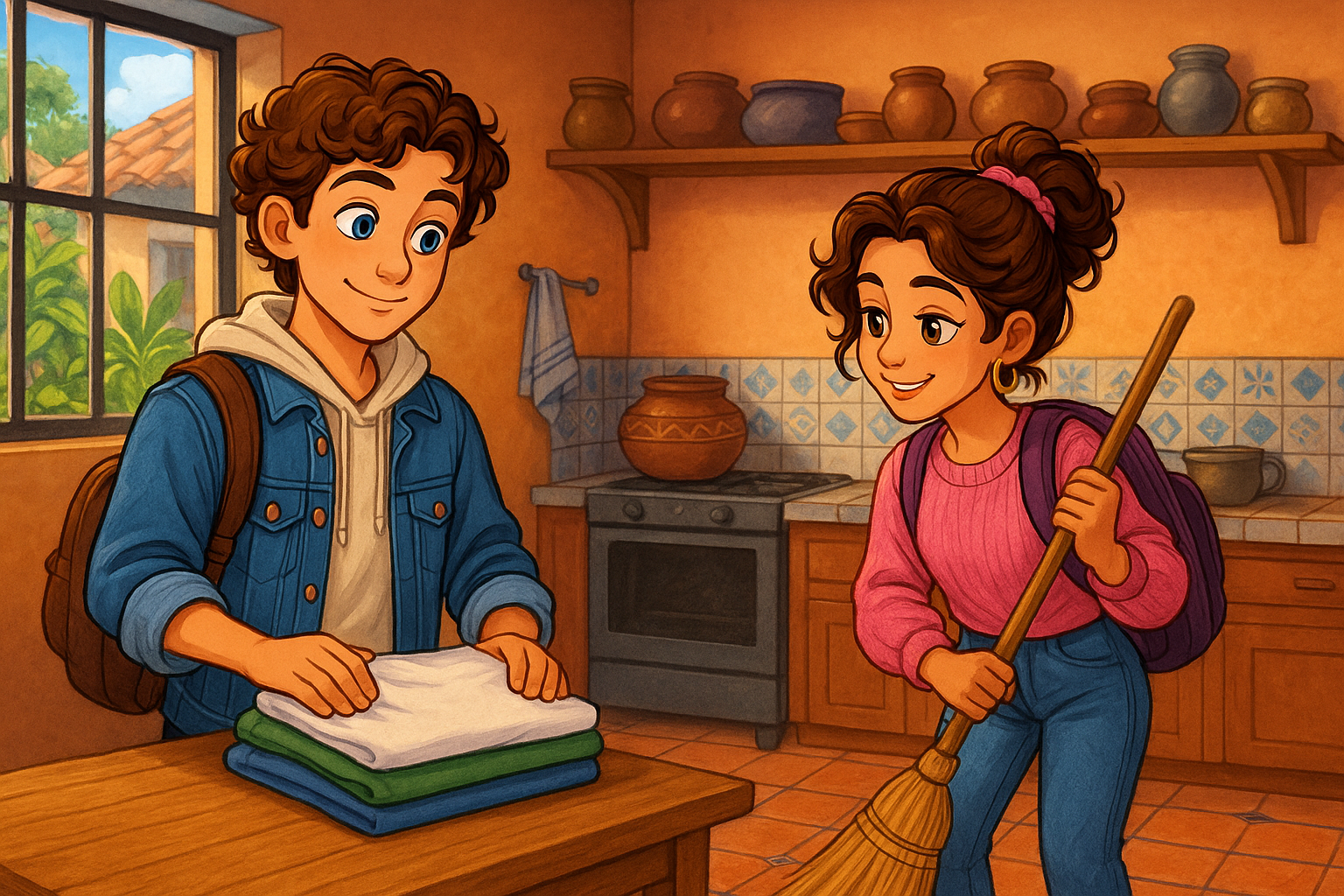
Lesson 2 — Actions & chores
(Past and present simple verbs with action and chore vocabulary.)
- Grammar: Grammar - Past and present simple: I clean every day. I cleaned yesterday.
- Vocabulary: Vocabulary - clean, wash, cook, sweep, tidy, dust, vacuum, mop, fold, wash dishes
- Speaking: Speaking - Talk about your daily chores and describe what you did yesterday.
- Listening: Listening - Listen to a story about a person's chores and find all the actions mentioned.
- Reading: Reading - Read a short text about household tasks and answer questions.
- Goal: Goal - Speak and write about common chores using correct verb tenses.
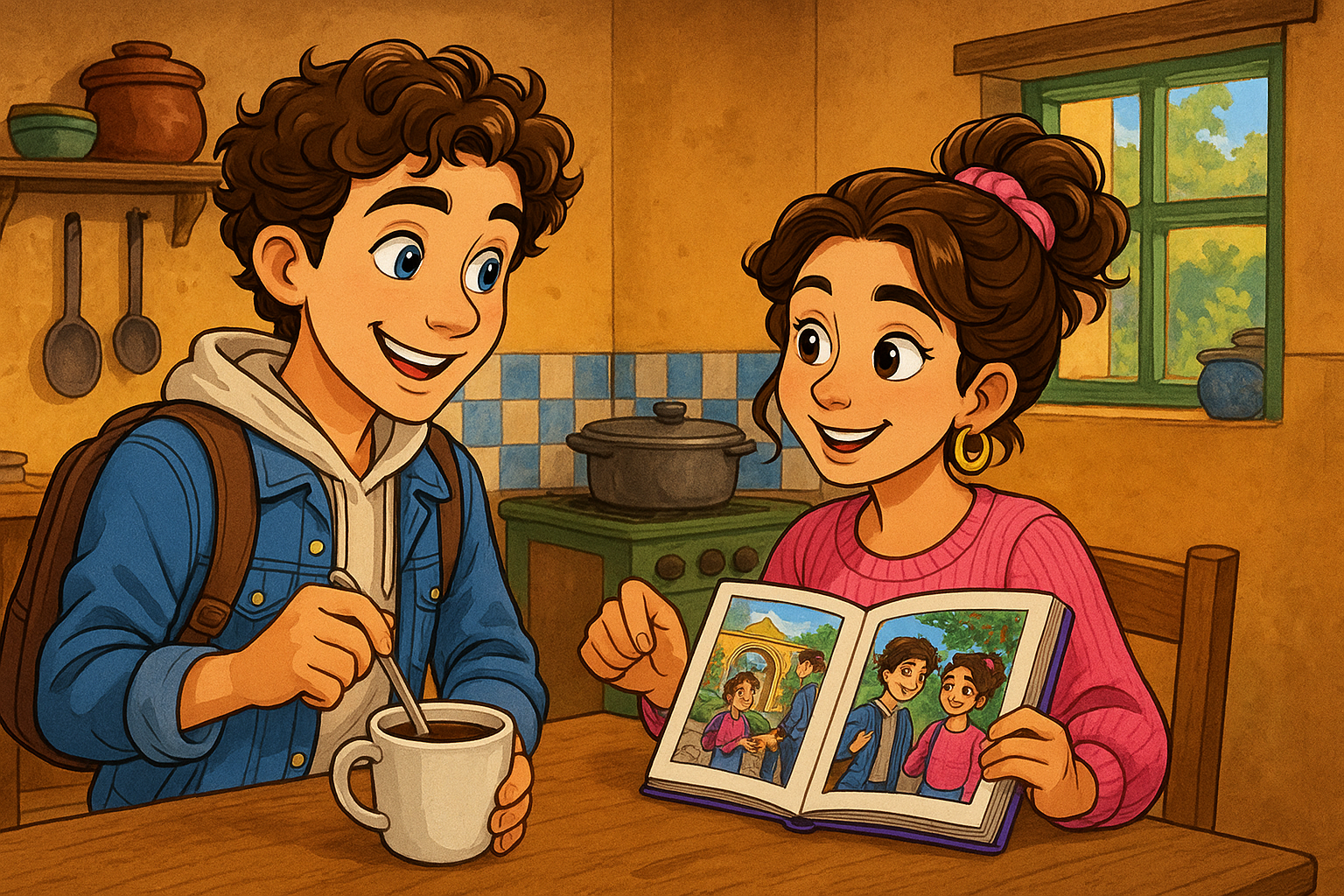
Lesson 3 — Daily vs past events
(Grammar: Present simple vs past simple (I go / I went))
- Grammar: Grammar: Present simple for daily routines (I work), past simple for past events (I worked)
- Vocabulary: Vocabulary: yesterday, last night, usually, every day, ago, morning, evening, before, after
- Speaking: Speaking: Talk about your day yesterday and your usual day routines
- Listening: Listening: Listen to a short story about someone's past and present habits
- Reading: Reading: Read a text comparing daily routines and past events
- Goal: Goal: Describe daily activities and past experiences using the correct tense

Lesson 4 — Accidents / events
(Past simple tense with regular and irregular verbs.)
- Grammar: Past simple tense; example: I saw an accident yesterday.
- Vocabulary: accident, event, emergency, hospital, injury, ambulance, witness, crash, rescue, report
- Speaking: Describe a past accident or event you witnessed or heard about.
- Listening: Listen to a short story about a car accident and answer questions.
- Reading: Read a report about a fire emergency and understand key details.
- Goal: Be able to share information about past accidents or events clearly.
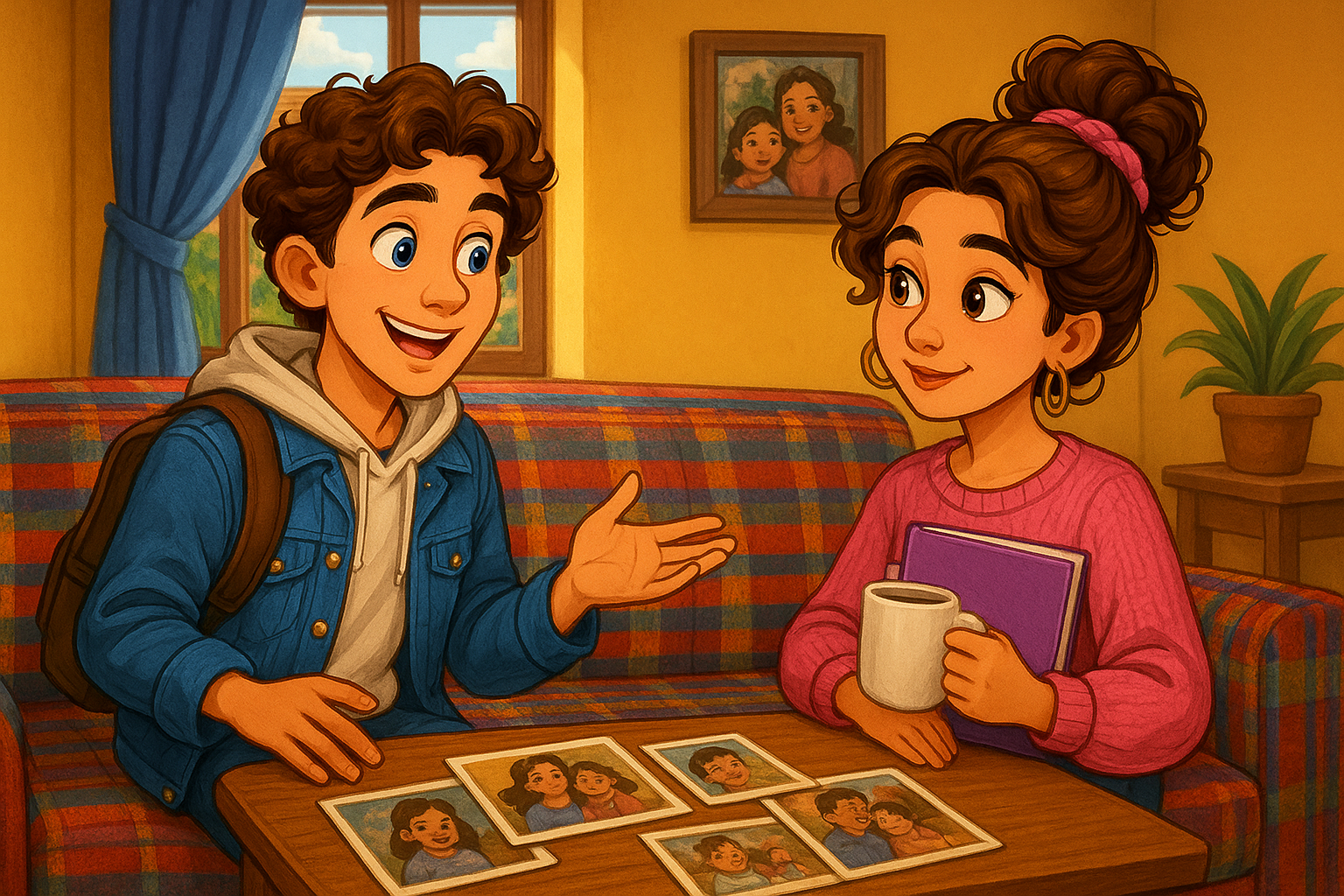
Lesson 5 — Personal stories
(Past simple tense: regular and irregular verbs in personal stories)
- Grammar: Grammar: Past simple tense – I visited my family last weekend.
- Vocabulary: Vocabulary: childhood, memory, event, friend, travel, experience, holiday, celebration
- Speaking: Speaking: Tell a story about a memorable event from your childhood.
- Listening: Listening: Listen to a story about a trip and answer questions about it.
- Reading: Reading: Read a short personal story and find key details.
- Goal: Goal: Confidently share and understand basic personal stories in English.
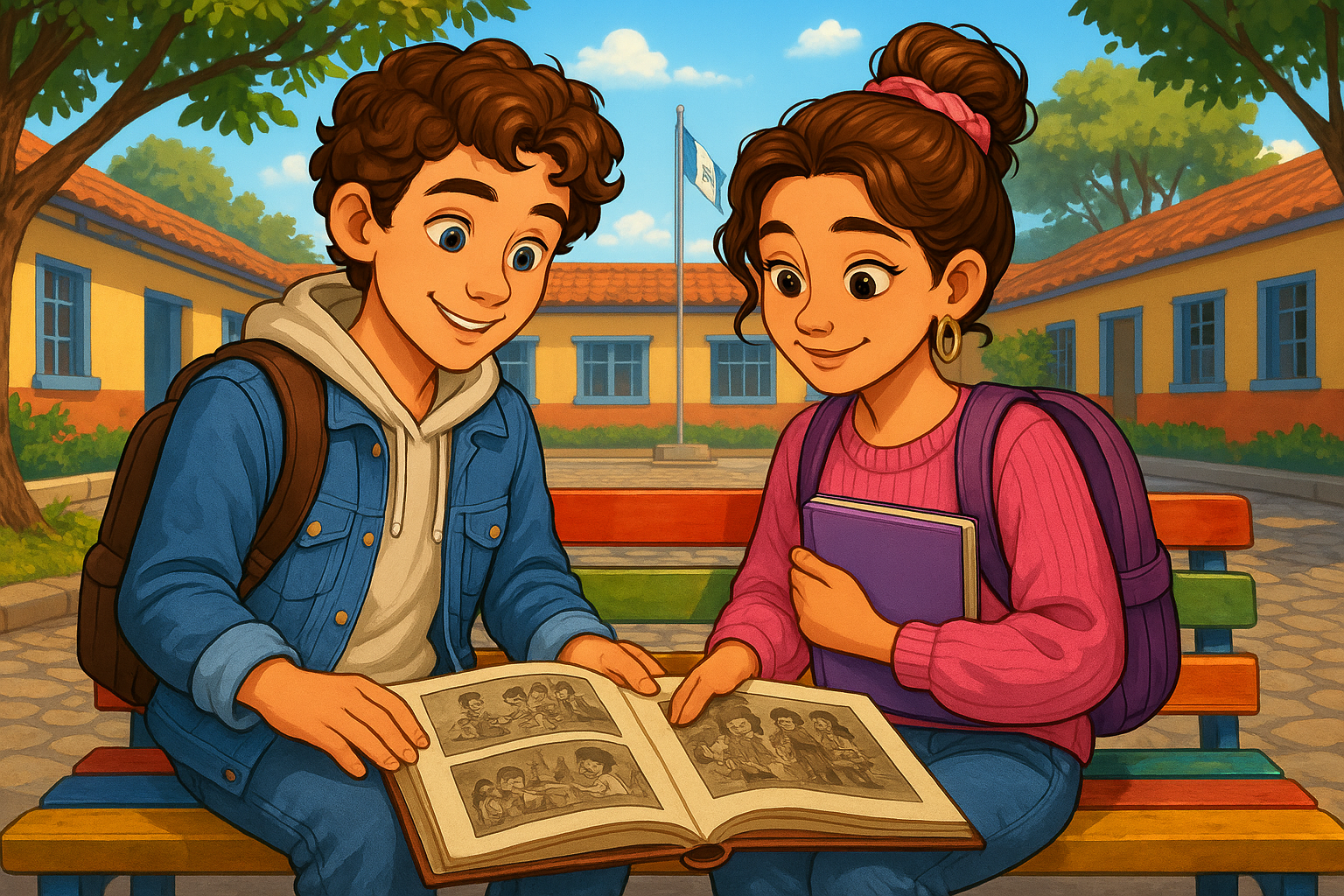
Lesson 6 — Childhood memories
(Past Simple tense with common childhood vocabulary)
- Grammar: Grammar = Past Simple tense with regular and irregular verbs; example: I played, I went
- Vocabulary: Vocabulary = childhood, memories, toys, friends, school, games, birthday, family
- Speaking: Speaking = Talk about your favorite childhood memory with a partner
- Listening: Listening = Listen to a story about someone's childhood and answer questions
- Reading: Reading = Read a short text about childhood experiences and find key details
- Goal: Goal = Share and understand stories about childhood using simple past verbs

Lesson 7 — Activities
(Present simple for habits and routines.)
- Grammar: Grammar: Present simple for routines, e.g., I play tennis on weekends.
- Vocabulary: Vocabulary: hobbies, sports, music, reading, cooking, hiking, swimming, dancing.
- Speaking: Speaking: Talk about your favorite activities with a partner.
- Listening: Listening: Listen to people describing their hobbies and answer questions.
- Reading: Reading: Read a short text about common hobbies and answer questions.
- Goal: Goal: Use the present simple to talk about regular activities clearly.
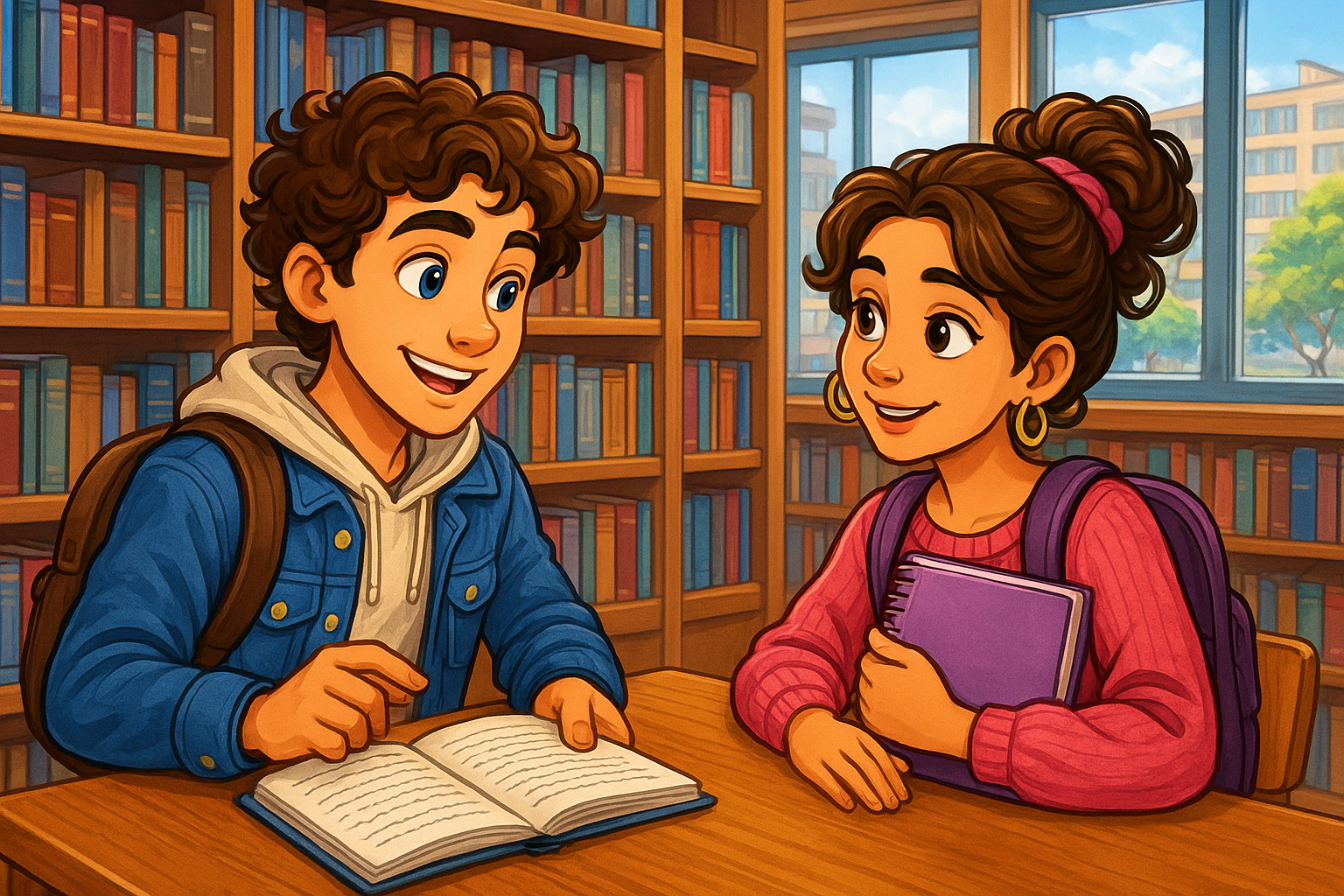
Lesson 8 — Education
(Past simple and present perfect for education experiences.)
- Grammar: Grammar: Past simple and present perfect; I studied math / I have studied math.
- Vocabulary: Vocabulary: school, teacher, exam, homework, study, graduate, library, course, lesson.
- Speaking: Speaking: Describe your school experience and ask about others' education.
- Listening: Listening: Listen to a conversation about someone’s education history.
- Reading: Reading: Read a short article about different education systems.
- Goal: Goal: Talk clearly about your education and ask questions about learning.
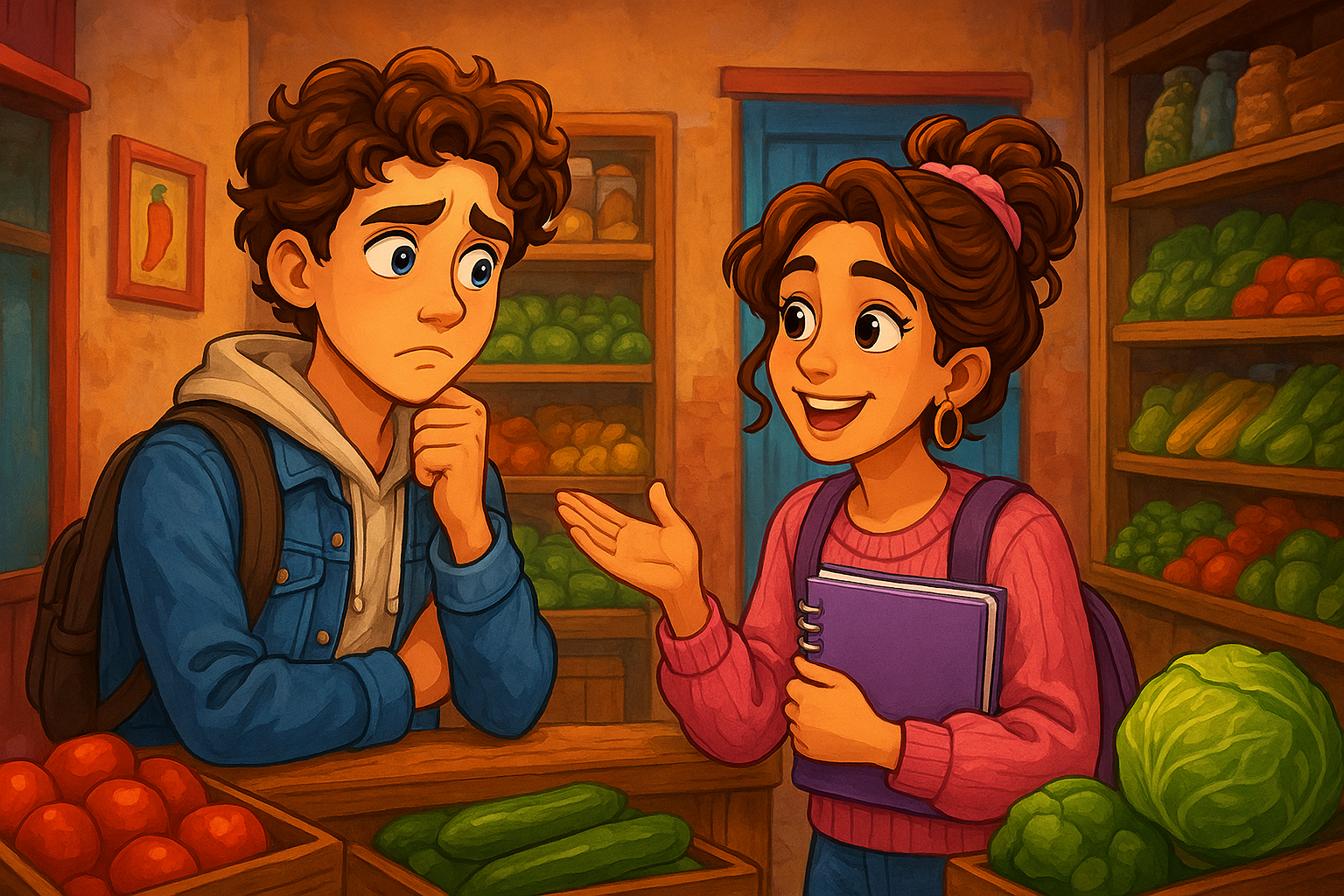
Lesson 9 — Advice & imaginary situations
(Conditionals: If + past tense, would + base verb)
- Grammar: Grammar: If I were you, I would study more (second conditional for advice)
- Vocabulary: Vocabulary: advice, imagine, problem, solution, worried, choice, suggestion
- Speaking: Speaking: Give advice to a friend in a role-play situation.
- Listening: Listening: Listen to conversations about imagined problems and advice.
- Reading: Reading: Read a story about imaginary choices and their outcomes.
- Goal: Goal: Use second conditional sentences to give advice and discuss ideas.

Lesson 10 — Plans & intentions
(Future forms: going to, will, present continuous for plans.)
- Grammar: Grammar - Future plans and intentions: going to (I am going to travel), will (I will help), present continuous (I am meeting).
- Vocabulary: Vocabulary - Plans, intentions, decide, arrange, hope, promise, schedule, next week, soon.
- Speaking: Speaking - Talk with a partner about your plans for the weekend.
- Listening: Listening - Listen to a conversation about travel plans and answer questions.
- Reading: Reading - Read a short text about someone’s goals and plans.
- Goal: Goal - Use future tenses to explain your plans and intentions confidently.
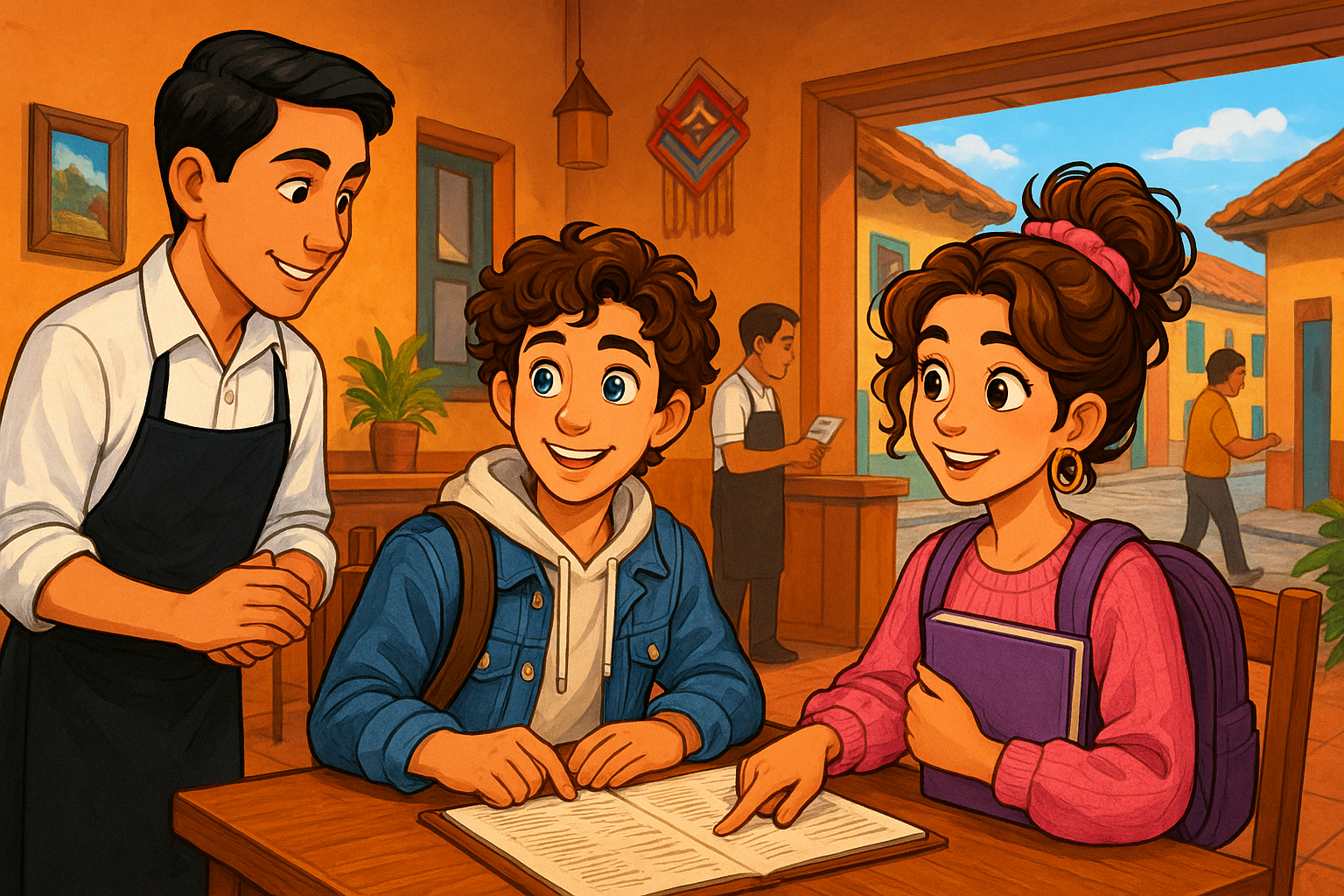
Lesson 11 — Restaurants & shops
(Asking questions and ordering in restaurants and shops)
- Grammar: Grammar: Using modal verbs for requests and offers (Can I have...? Could you...? )
- Vocabulary: Vocabulary: menu, waiter, bill, price, discount, shop assistant, cash, receipt, customer
- Speaking: Speaking: Practice ordering food and asking for prices with a partner
- Listening: Listening: Listen to conversations in a restaurant and a shop to answer questions
- Reading: Reading: Read a short menu and a shop sign to find information and prices
- Goal: Goal: Confidently order food and talk about shopping during real-life situations
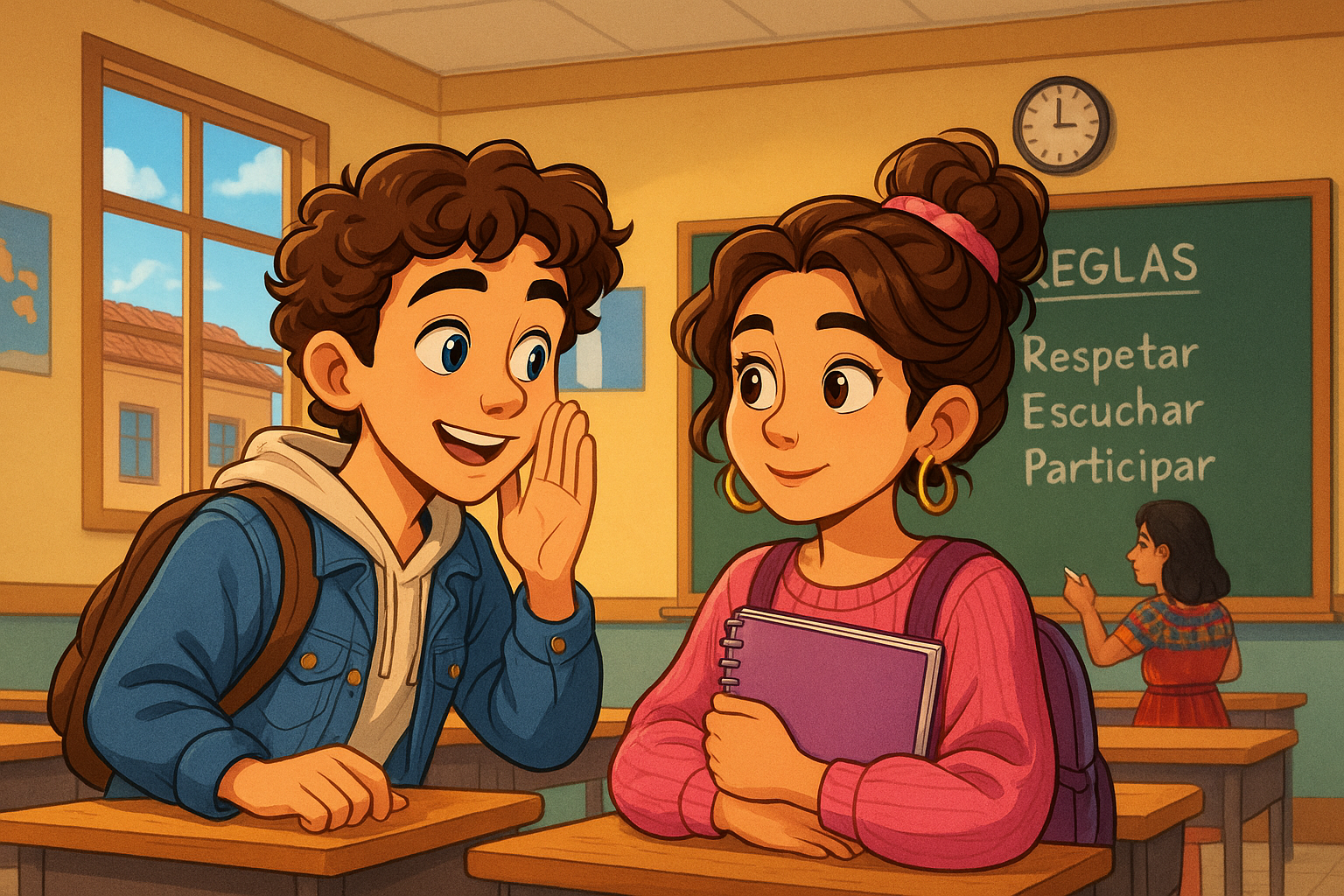
Lesson 12 — Rules & advice
(Modal verbs for rules and advice: should, must, have to, ought to)
- Grammar: Modal verbs for advice and rules – "You should study," "You must wear a helmet.
- Vocabulary: advice, rule, follow, must, should, have to, ought to, forbidden, allowed
- Speaking: Practice giving advice about school rules in pairs using modal verbs.
- Listening: Listen to a conversation about rules at work and answer questions.
- Reading: Read a short text about community rules and underline advice phrases.
- Goal: Use modal verbs to explain rules and give advice in real life.

Lesson 13 — Regret and reflection
(Grammar: Using past perfect and would have + past participle to express regret)
- Grammar: Grammar: Past perfect – I had studied; Would have + past participle – I would have gone
- Vocabulary: Vocabulary: regret, mistake, opportunity, wish, decision, reflection, learn, change
- Speaking: Speaking: Talk about a time you felt regret and explain why
- Listening: Listening: Listen to a story about someone’s regret and answer questions
- Reading: Reading: Read a short text about life lessons from past regrets
- Goal: Goal: Use grammar and words to express regret and reflect on past actions

Lesson 14 — Review
(Grammar review: past simple and present perfect; daily life vocabulary)
- Grammar: Grammar = Past simple and present perfect; I visited London. I have visited London.
- Vocabulary: Vocabulary = Travel, holiday, experience, visit, yesterday, already, since, ever, never
- Speaking: Speaking = Talk about your recent trips using past and present tenses.
- Listening: Listening = Listen to a story about a holiday and answer questions.
- Reading: Reading = Read a travel blog and identify past and present perfect verbs.
- Goal: Goal = Use grammar and vocabulary confidently to talk about experiences.
Lesson 15 — Emotions & behavior
(Present simple and continuous for emotions and behavior)
- Grammar: Grammar = Present simple and continuous: She feels happy. He is acting strange.
- Vocabulary: Vocabulary = happy, sad, angry, nervous, excited, calm, friendly, rude, shy, outgoing
- Speaking: Speaking = Describe how you feel today and why to a partner.
- Listening: Listening = Listen to a short story about someone's feelings and answer questions.
- Reading: Reading = Read a text about different emotions and identify the feelings mentioned.
- Goal: Goal = Express emotions and describe behaviors clearly in everyday situations.
Powered by Quetzal Learning Labs